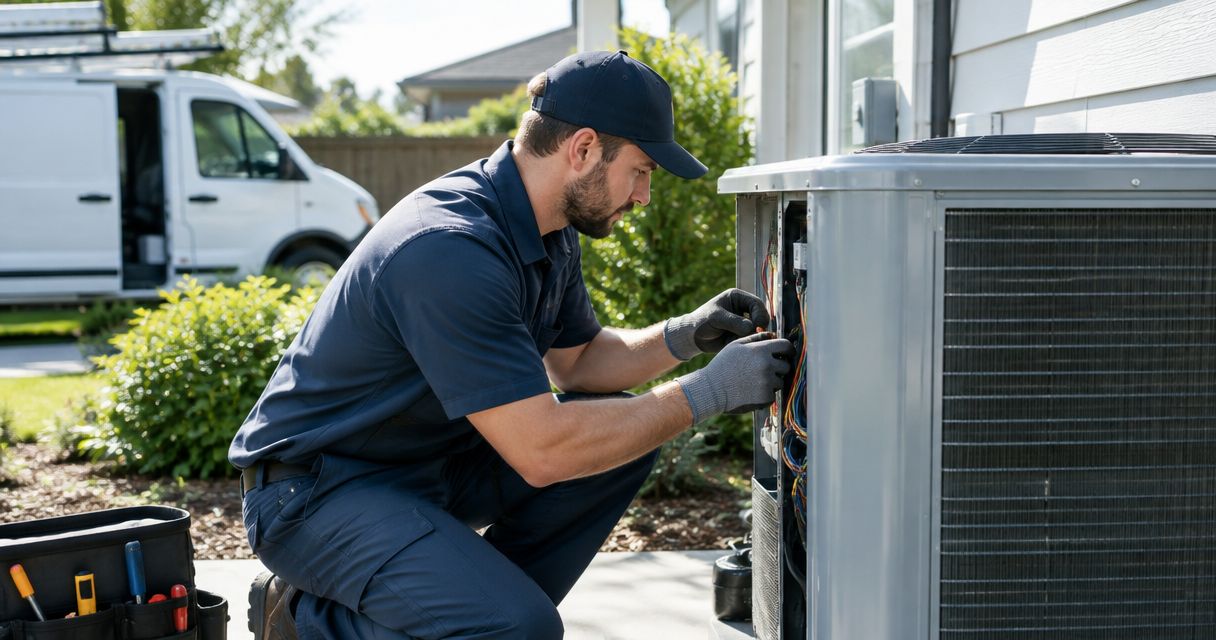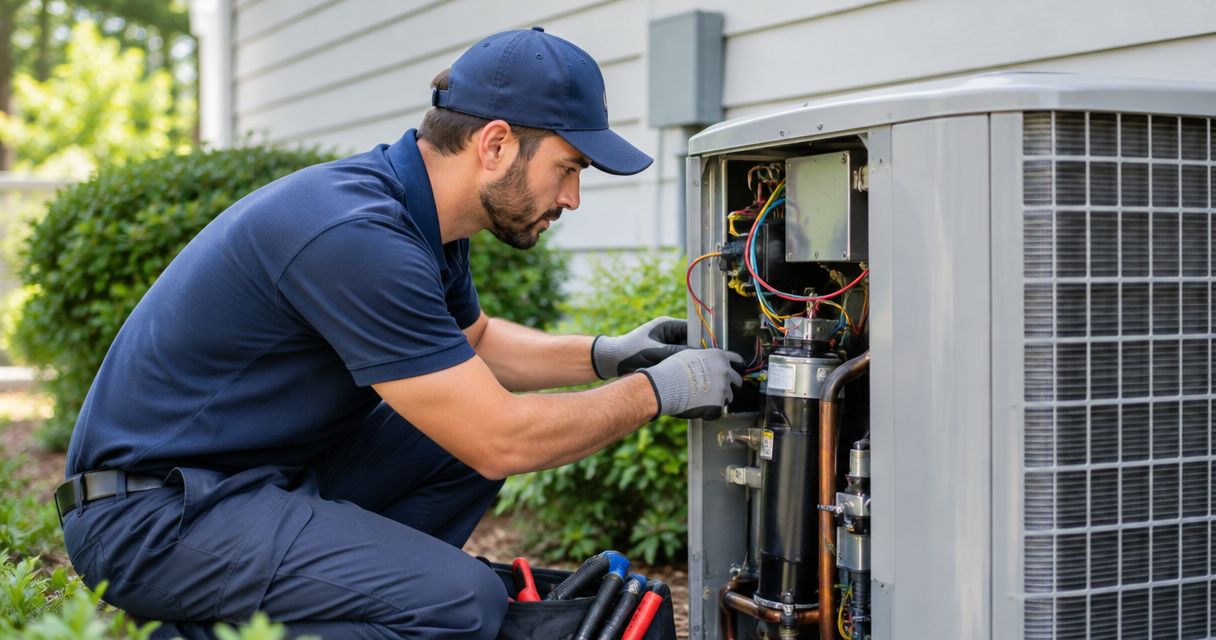
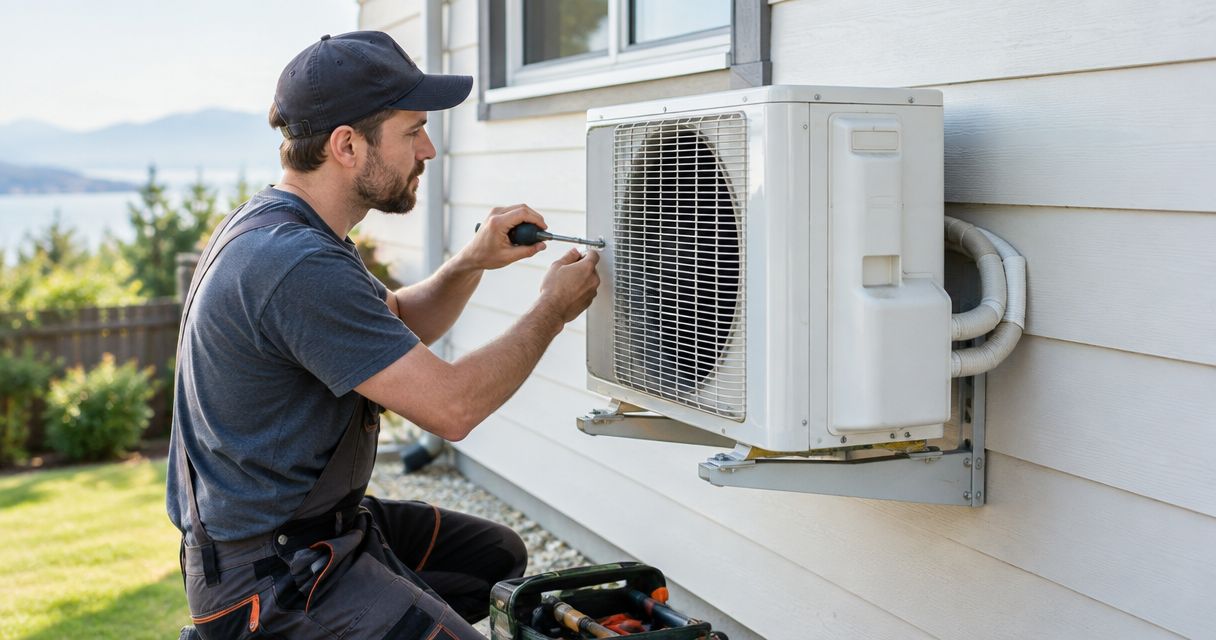
Yes, you can install a mini split yourself if the exact system is designed for homeowner installation and your local permit and electrical rules allow the work. For DIY mini split installation in 2026, a precharged system does not automatically eliminate electrical work, inspections, or refrigerant-service requirements; conventional systems need a qualified technician for refrigerant work covered by federal certification rules.
- DIY mini split installation suits homeowner-installable systems, not every ductless heat pump sold with a refrigerant charge.
- EPA Section 608 certification applies to covered refrigerant service; a precharged outdoor unit is not a blanket exemption.
- Choose professional HVAC installation when electrical work, refrigerant connections, or system sizing exceed your skills.
- Confirm permits, warranty terms, and contractor involvement before buying equipment or drilling through a wall.
Can I install a mini split myself?
You can handle a homeowner-installable mini split only within the manufacturer's instructions and local rules. The deciding factor is the installation method, not whether the listing calls the outdoor unit precharged.
For Lake of the Ozarks homeowners choosing professional help, West Heating & Cooling offers HVAC installation, repair, and maintenance. Confirm the scope of your particular ductless project before purchasing equipment.
| Installation approach | Best for | Main advantage | Main limitation |
|---|---|---|---|
| Homeowner-installable system | Capable homeowners with an approved installation plan | Designed to let homeowners perform specified installation tasks | Electrical work, permits, and product-specific requirements still apply |
| Conventional mini split | Homeowners arranging professional refrigerant work | Allows a technician to complete and verify refrigerant connections | A precharged outdoor unit does not make the entire installation DIY-ready |
| Agreed homeowner preparation | Homeowners who want to handle approved preparation tasks | Divides responsibilities before work starts | Requires a contractor willing to accept the arrangement |
| Full professional installation | Homeowners who want the installation handled by qualified trades | Keeps sizing, installation, and startup within an agreed service scope | Gives you less direct control over the installation work |
The useful question is not whether you can mount an indoor unit. It is whether you can finish the whole installation legally, safely, and according to the equipment instructions.
Why this matters
A mini split connects several jobs that require different skills: selecting equipment, securing units, routing drainage, making electrical connections, and establishing the refrigerant circuit. Completing the visible parts does not prove that the concealed connections are correct.
A unit can turn on while still having a drainage problem, an installation error, or an unsuitable electrical supply. Treat startup as a verification stage, not evidence that every earlier step was successful.
For a 2026 project, settle responsibilities before ordering. Equipment selection, permit requirements, and the installer's willingness to work on homeowner-purchased equipment belong in the same conversation.
What makes a mini split suitable for DIY installation?
An explicit homeowner-installation procedure is the starting point. Read the installation manual for the exact indoor unit, outdoor unit, and connection arrangement you intend to buy.
A conventional outdoor unit can contain a factory refrigerant charge while the connecting pipes still require professional preparation and testing. The word precharged describes a condition of the equipment; it does not describe every task needed to install it.
Some homeowner-installable systems use precharged connection assemblies. Follow their exact instructions rather than substituting procedures from a video showing a different system. Do not assume that tubing can be shortened, connectors reused, or parts mixed between equipment families.
Check these points before committing:
- Installation instructions: Does the manufacturer explicitly describe homeowner installation for this exact equipment?
- Connection method: What work is required to establish the refrigerant circuit?
- Electrical requirements: What supply, protection, and connection method does the equipment require?
- Site limits: What clearances, piping routes, and drainage arrangements does the manual permit?
- Warranty conditions: What documentation and installer qualifications does the written warranty require?
Save the manuals with your project records. A retailer's summary is not a substitute for the manufacturer's installation requirements.
Which installation tasks can I handle myself?
You can assess access, collect equipment information, and document the proposed layout without opening the refrigerant system or electrical equipment. Those tasks help you make a decision before creating a problem that someone else must correct.
Physical preparation needs more caution. Mounting equipment, penetrating an exterior wall, or constructing a support changes the building and must meet the equipment instructions and applicable local requirements.
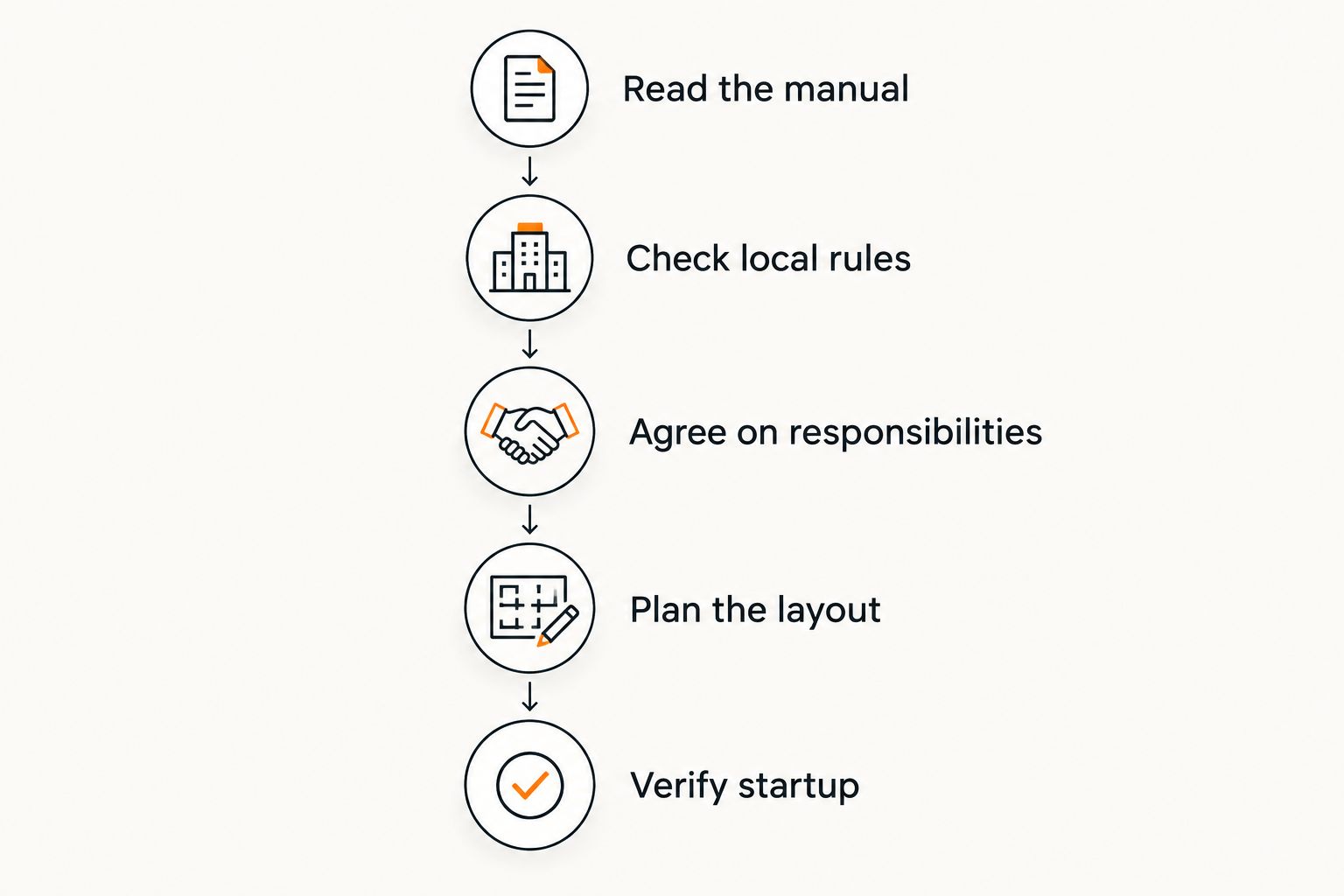
Use this sequence to decide whether your project belongs within DIY work:
- Read the manual. Identify the permitted installation method and the tasks reserved for qualified personnel.
- Check local rules. Ask the authority responsible for your address about permits, homeowner work, and inspections.
- Agree on responsibilities. Confirm who handles electrical work, refrigerant work, preparation, and startup before buying equipment.
- Plan the layout. Verify unit locations, wall construction, drainage, service access, and the permitted connection route.
- Verify startup. Complete the manufacturer's required checks and any required inspection before treating the project as finished.
A homeowner-installable system still needs a complete plan. If one step requires a qualified trade, arrange that work before starting the earlier steps.
Photograph the intended indoor and outdoor locations before requesting advice. Include the wall, nearby obstructions, proposed drain destination, and access route; clear information is more useful than a close-up of the equipment carton.
What refrigerant work requires a qualified technician?
EPA Section 608 technician certification requirements cover specified work on equipment that can release regulated refrigerants. Connecting gauges, adding or removing refrigerant, and opening a refrigerant circuit are not ordinary homeowner preparation tasks.
The EPA's Section 608 technician certification guidance is the federal reference for covered refrigerant-service work in 2026. It does not replace manufacturer instructions, electrical requirements, or local permits.
Do not treat precharged as permission to open the refrigerant system. A system designed for homeowner assembly must be installed using its specified method, and any later refrigerant servicing presents a separate question.
For a conventional installation, a qualified technician prepares and checks the refrigerant circuit according to the equipment instructions. That includes the applicable connection, leak-testing, and evacuation procedures before the system is put into service.
If a connection leaks or the equipment does not operate correctly, stop and arrange diagnosis. Do not repeatedly loosen connections, add refrigerant, or release refrigerant to experiment with a fix.
Can I wire a mini split myself?
Only perform electrical work that your local rules permit and that you are qualified to complete. The equipment instructions determine the required supply and protection; another homeowner's installation is not a wiring specification for yours.
Do not select wiring or protective devices from a general online chart without checking the equipment requirements. The correct installation also depends on the building's electrical system and applicable code.
Before the project starts, establish who will evaluate the electrical supply, complete the connections, and arrange any required inspection. An existing outlet near the outdoor unit does not establish that it is suitable for the equipment.
Stop if the work requires changes you do not understand. Electrical mistakes can create shock and fire hazards, even when the unit appears to run normally.
Why DIY mini split installation difficulty varies
The number of units is not the only measure of complexity. A straightforward-looking room can still have a difficult drain route, concealed wiring, or an unsuitable location for the outdoor unit.
These factors determine the work involved:
- Equipment design: Homeowner-installable connections and conventional field-connected refrigerant lines require different procedures.
- Building construction: Wall materials, concealed services, and structural support affect mounting and penetrations.
- Electrical supply: The required circuit and the condition of the existing electrical system determine the electrical scope.
- Drainage route: Condensate needs an approved discharge route that follows the manufacturer's requirements.
- Unit placement: Airflow, service access, and required clearances limit where equipment belongs.
- Local requirements: Permits, inspection procedures, and rules for homeowner work depend on the property's jurisdiction.
For your 2026 project, confirm these conditions at the actual property. A video from another location cannot establish what your building department allows or what is behind your wall.
Is partial DIY installation a sensible middle ground?
Partial DIY installation works only when the contractor agrees to the division of work beforehand. Do not assume someone will finish, certify, or warranty an installation you have already started.
Ask whether the contractor accepts homeowner-purchased equipment and homeowner preparation. Then describe the exact equipment, proposed locations, and work you want to handle yourself.
Get clear answers about responsibility for equipment selection, mounting, wall penetrations, drainage, electrical work, refrigerant connections, and startup. Also establish how incorrect preparation will be corrected and who is responsible for that work.
West Heating & Cooling provides professional HVAC installation and service in the Lake of the Ozarks area. Discuss your intended scope before deciding which tasks to keep yourself; do not assume a partial-installation arrangement is available.
The advantage of an agreed split is that you know where your work ends. The limitation is coordination: the next installer must be able to inspect and accept the preparation before proceeding.
Will DIY installation affect my warranty?
DIY installation does not have one universal warranty outcome. The written warranty for the exact equipment controls the answer.
Read the installation, registration, and documentation conditions before purchase. Check whether the terms require a qualified installer and what evidence you must retain.
Separate equipment coverage from workmanship responsibility. A product warranty is not a promise that another business will correct your mounting, wiring, drainage, or connection work.
Keep installation records, inspection documents, and commissioning information together. For a 2026 installation, save the terms supplied with your equipment rather than relying on a later summary or an unrelated model's warranty.
Should I hire an HVAC contractor instead?
Hire qualified trades when the project includes work outside your skills or legal authority. Conventional refrigerant connections, unfamiliar electrical work, uncertain sizing, and unresolved permit questions are clear reasons to pause DIY plans.
West Heating & Cooling is best for Lake of the Ozarks homeowners who want professional HVAC installation rather than DIY work. The family-owned contractor serves residential and commercial customers in Camdenton, Osage Beach, Lake Ozark, Warsaw, and Lebanon.
Professional installation reduces the tasks you must personally manage, but the service scope still matters. Ask what the proposal includes, who handles electrical work, what startup checks are documented, and whether permits are part of the agreement.
The trade-off is direct control: you will coordinate with the installer rather than complete the work entirely on your own schedule. Choose based on the actual installation requirements, not whether DIY looks simple in a demonstration.
Discuss your HVAC installation
Explain your equipment choice and property layout before starting installation work.
FAQ
Can I install a mini split myself in Missouri?
You can install a homeowner-installable mini split only when the manufacturer's instructions and the rules for your property's jurisdiction allow the work. Check permit, electrical, and inspection requirements before starting.
Does a precharged mini split mean I do not need a technician?
No, a precharged outdoor unit does not establish that the entire mini split is homeowner-installable. Check the exact connection method and arrange qualified help for any electrical or refrigerant work outside the permitted DIY scope.
Do I need EPA certification to install a mini split?
EPA Section 608 certification is required for covered refrigerant-service activities, not automatically for every preparation task. A homeowner-installable assembly method does not authorize unrelated refrigerant servicing.
Can I mount the units and hire someone to finish?
You can divide installation tasks only if the contractor agrees before you begin. Confirm equipment acceptance, preparation standards, and responsibility for correcting work before mounting either unit.
Will installing a mini split myself void the warranty?
The equipment's written warranty determines how homeowner installation affects coverage. Check installer requirements, registration conditions, and required records before purchasing.
Can I use an existing outlet for a mini split?
Do not assume an existing outlet is suitable for a mini split. The equipment instructions and applicable electrical rules determine the required supply and connection method.
What should I do if my DIY mini split leaks or will not cool?
Stop operating the equipment and arrange qualified diagnosis when you discover a refrigerant leak or an installation fault. Do not loosen refrigerant connections or add refrigerant as an experiment.
One last thing
Finish the responsibility plan before you start the installation. The most useful pre-purchase question is: who will complete and verify every task that the equipment instructions require?
Ask West Heating & Cooling about your HVAC installation needs before committing to a DIY route. For a 2026 project, a clear plan for equipment, electrical work, drainage, and startup is more useful than a shopping list of tools.