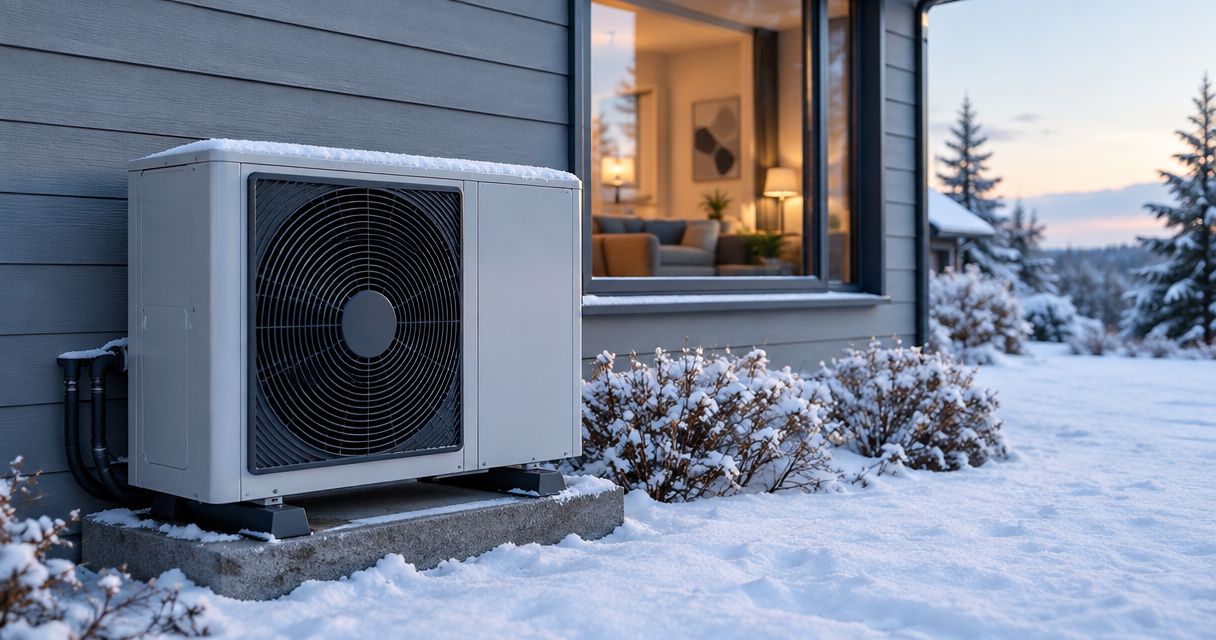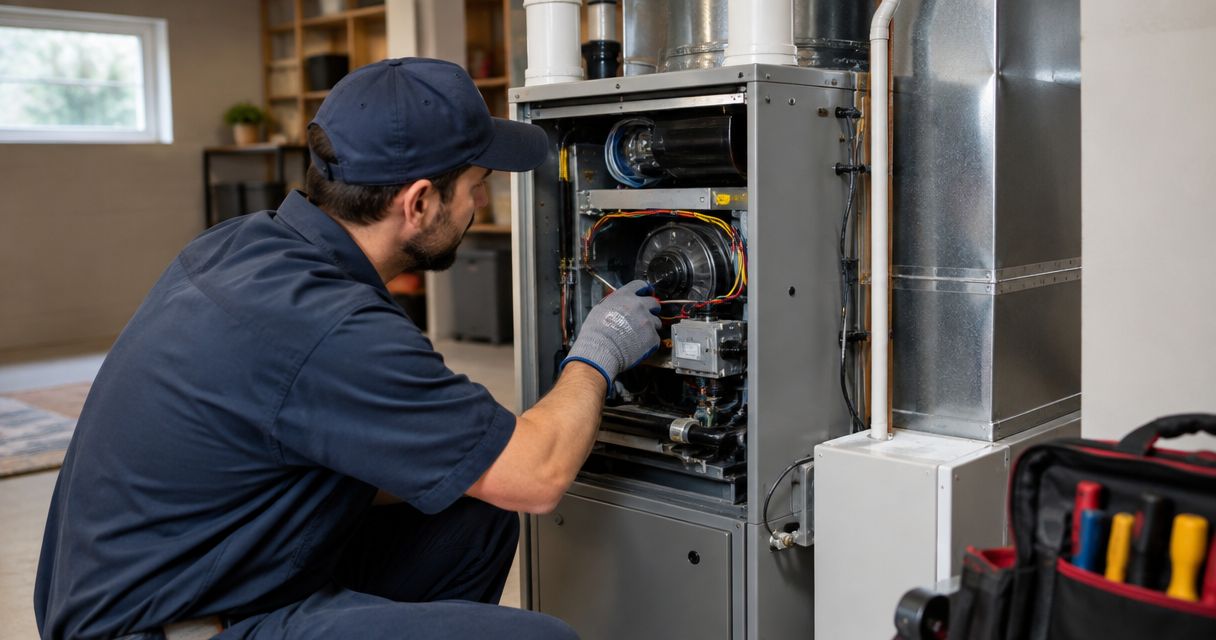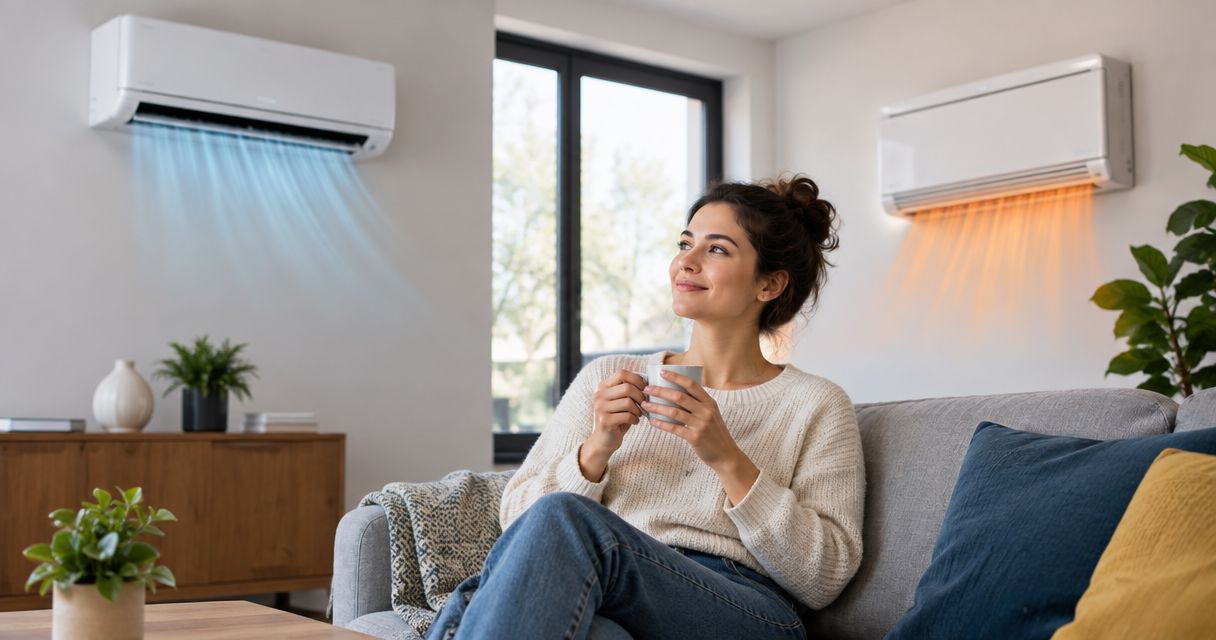
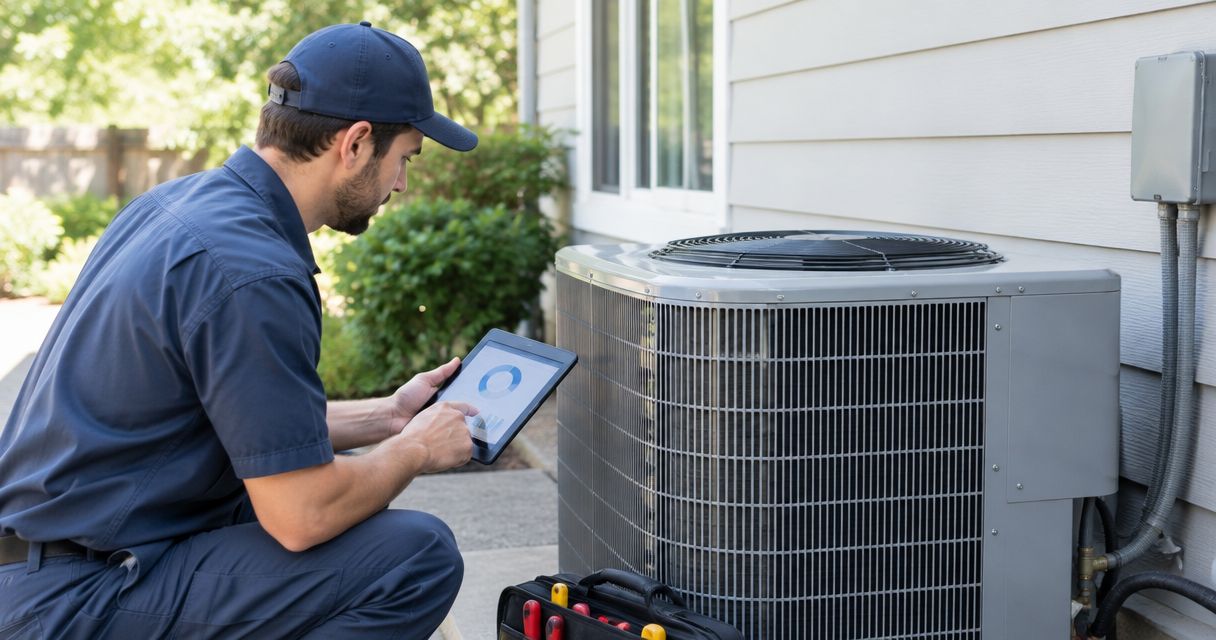
Schedule professional HVAC service twice a year in 2026 if your home uses both heating and cooling: an AC checkup before summer and a heating checkup before winter. Each separate furnace or AC unit generally needs an annual checkup, while a heat pump benefits from spring and fall service because it handles both seasons; filter care and repairs are separate from these appointments.
- How often service HVAC system? Plan spring cooling and fall heating checkups for year-round equipment.
- ENERGY STAR recommends annual preseason HVAC checkups and checking air filters every month.
- Service a furnace annually before heating season; service an AC annually before cooling season.
- Schedule heat pump maintenance before both heating and cooling seasons.
- Do not wait for scheduled maintenance when equipment leaks, loses airflow, or stops heating or cooling.
Why this matters
A maintenance calendar is not a repair calendar. Seasonal service checks equipment before you depend on it. A new noise, repeated shutdown, or loss of heating needs attention when it happens, even if your next appointment is already booked.
West Heating & Cooling provides HVAC maintenance, repairs, and installation for residential and commercial customers around Lake of the Ozarks. For your home, start with the equipment you own—not a blanket schedule that treats every system the same.
How often should HVAC systems be serviced?
For a home with separate heating and cooling equipment, schedule 2 professional visits per year: cooling service in spring and heating service in fall. That usually means each piece of equipment receives 1 checkup per year, rather than every component needing service at every visit.
ENERGY STAR's homeowner maintenance guidance recommends annual preseason checkups. Its filter guidance also recommends checking filters every month, a separate task from professional service. Use those distinctions when setting your 2026 schedule.
| Equipment or setup | Professional service schedule | Best for | Benefit | Limitation |
|---|---|---|---|---|
| Separate furnace and central AC | Furnace annually before winter; AC annually before summer | Homes with separate heating and cooling equipment | Each unit gets attention before its main operating season | A furnace-only visit does not replace an AC checkup |
| Heat pump | Spring and fall | Homes using the same equipment for heating and cooling | Checks equipment before both operating seasons | Service does not replace filter care between visits |
| Cooling-only AC | Annually before cooling season | Homes where the unit provides cooling only | Prepares cooling equipment before hot weather | Annual service does not address a fault that appears later |
| Commercial HVAC | Follow the equipment manual and a site-specific maintenance schedule | Businesses with equipment and operating demands that differ from a home | Matches service to equipment and use | A residential schedule is not a complete commercial maintenance plan |
A shared indoor blower or filter does not make the furnace and AC interchangeable. Tell the contractor which equipment you want checked, and ask what the appointment includes before booking.
Furnace service: 1 checkup per year
Schedule furnace maintenance annually before heating season. An AC appointment does not automatically include a furnace inspection, even when both systems share ductwork.
For a fuel-burning furnace, the technician should address heating operation and the relevant combustion, venting, electrical, and safety components. The exact checklist depends on the equipment. Ask for findings in writing rather than assuming that a brief operating test covers everything.
A fall appointment is a practical choice for your 2026 calendar. If you missed that window, book service rather than waiting until the following fall; the point is to inspect the equipment, not to satisfy a particular calendar month.
Annual service helps identify conditions that need attention, but it is not a guarantee against breakdowns. Keep working carbon monoxide alarms where required, and treat a gas smell or alarm as a safety issue—not a routine maintenance request.
AC service: 1 checkup per year
Schedule AC maintenance annually before cooling season. Spring gives you a chance to address cooling problems before you need the system regularly.
A cooling checkup should address operation, airflow, electrical components, coils, and condensate drainage as appropriate for the unit. Refrigerant checks and any corrective work belong with a qualified technician. Adding refrigerant without addressing why it is low is not a complete repair.
Between visits, keep the outdoor unit free of loose debris and avoid blocking indoor supply and return vents. Do not open electrical panels or spray components without checking the manufacturer's instructions.
Annual AC maintenance does not mean you should tolerate weak cooling until next spring. Ice, water around the indoor equipment, or repeated shutdowns call for diagnosis when they appear.
Heat pump service: 2 checkups per year
Schedule heat pump maintenance in spring and fall. A heat pump supplies heating and cooling, so its service calendar should address both operating modes.
The spring appointment focuses on readiness for cooling; the fall appointment focuses on heating operation. Depending on the system, that includes checking controls and any backup heating equipment. Give the technician details about comfort problems in each season rather than reporting only that the unit runs.
For your 2026 reminders, label the appointments by purpose: cooling readiness and heating readiness. That makes it easier to confirm that both modes were addressed.
A heat pump's year-round role is the reason for the seasonal schedule. It does not mean every component needs replacement or cleaning at every visit; the equipment condition and manufacturer's instructions determine the work.
Why HVAC service frequency varies
The seasonal schedule is a starting point. These factors determine what needs attention between visits and whether your equipment requires a different maintenance plan:
- Equipment type. Separate furnaces and AC units have different seasonal jobs; heat pumps handle both. Identify each unit before assigning reminders.
- Manufacturer instructions. The manual defines equipment-specific maintenance and owner tasks. Use it instead of applying instructions written for another model.
- Operating hours. Equipment that runs for long periods needs attention to filter loading and condition. Commercial schedules should reflect actual use.
- Dust and debris. Construction dust, pet hair, and outdoor debris affect filters and airflow. Inspect conditions instead of relying only on a replacement date.
- Service history. Recurring faults, unresolved recommendations, and recent repairs need follow-up. Another routine appointment is not a substitute for completing a needed repair.
- Property occupancy. An empty lake house still needs checks if its HVAC equipment operates. Guest turnover also makes a consistent inspection routine useful.
Adjust the plan to the equipment—not to a sales package. Ask what condition justifies any extra visit and which tasks it will cover.
Should I service my HVAC system once or twice a year?
2 visits per year is the practical schedule for a home using both heating and cooling. Each separate furnace and AC generally receives its own annual seasonal checkup.
If you have cooling-only equipment, an annual cooling appointment addresses that unit. If you have a heat pump, spring and fall visits address its heating and cooling roles. Count the operating seasons, not just the number of outdoor units.
How often should I check my HVAC air filter?
Every 1 month is ENERGY STAR's recommended filter-check interval. Check sooner when dust or heavy use loads the filter quickly, and follow the equipment instructions for the correct filter and replacement procedure.
ENERGY STAR advises changing a dirty filter and replacing it at least every 3 months under its general homeowner guidance. Your system's instructions take precedence, especially for filters designed for a different service interval.
Filter checks are owner maintenance, not a replacement for professional service. Write down the filter size and type so the next replacement matches the equipment requirements.
Does a vacation home need HVAC service if nobody is there?
2 seasonal visits per year remains a useful starting point when a vacation home's HVAC system operates for both heating and cooling. An empty property does not stop equipment from running or filters from collecting debris.
Arrange property checks between visits, especially after an interruption in power or a reported comfort problem. Before guests arrive, confirm that the system heats or cools, the thermostat settings are appropriate, and there is no visible water around the indoor equipment.
What should happen during an HVAC maintenance visit?
A useful maintenance visit produces more than confirmation that the thermostat turns the equipment on. You should understand what was checked, what needs attention, and what happens next.
Ask the contractor to distinguish these parts of the appointment:
- Inspection: Checking the condition and operation of relevant equipment components.
- Routine maintenance: Performing the cleaning, adjustments, or other tasks included in the agreed service.
- Repair recommendations: Identifying faults and explaining corrective work separately.
- Owner instructions: Explaining filter care, operating concerns, and any follow-up you need to arrange.
The scope varies by equipment, so request the checklist before service. Do not assume that duct cleaning, thermostat replacement, refrigerant work, or repairs are included in a routine checkup.
A clear written finding is more useful than a vague recommendation. Ask which component has a problem, how the technician identified it, and whether it affects safety or operation.
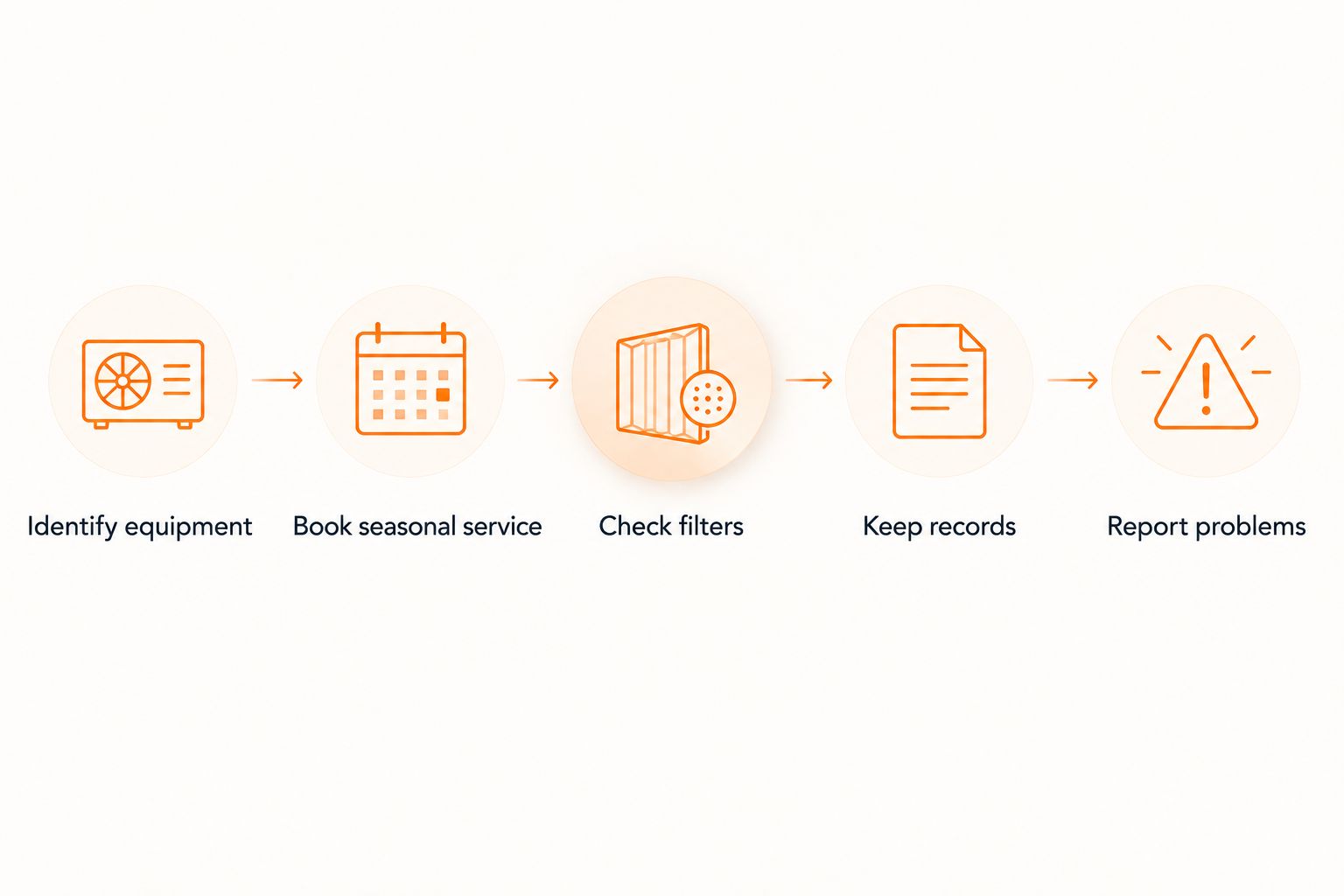
How to build your 2026 HVAC service calendar
Use the equipment manual and your last service report to make a calendar you can maintain. Keep owner checks separate from professional appointments so neither disappears behind the other.
- Identify equipment. Record whether you have a furnace, AC, heat pump, or another setup. Keep model information with the manuals.
- Book seasonal service. Assign cooling service before summer and heating service before winter. Confirm which units each appointment covers.
- Check filters. Add a monthly inspection reminder, then follow the filter and equipment instructions for replacement.
- Keep records. Save service reports and note unresolved repairs. Tell the technician what changed since the previous visit.
- Report problems. Record when a fault occurs, the operating mode, and any visible symptoms. Do not wait for the calendar reminder.
For a rental or shared property, assign responsibility for each task. A reminder is ineffective if the owner assumes the manager booked service and the manager assumes the owner handled it.
When should you call before the next appointment?
Call for diagnosis when equipment stops doing its job. Routine maintenance is preventive; a system that cannot heat or cool needs a repair assessment.
Act on these symptoms rather than waiting for seasonal service:
- The system runs but does not deliver the expected heating or cooling.
- Ice forms on cooling equipment or refrigerant lines.
- Water appears around indoor equipment.
- A breaker trips repeatedly or the equipment repeatedly shuts down.
- A new grinding, banging, or persistent unusual noise develops.
Do not repeatedly reset a tripping breaker or keep running visibly iced equipment. Follow the manufacturer's shutdown guidance and arrange service.
If you smell gas, leave the building and contact the gas utility or emergency services from a safe location. If a carbon monoxide alarm sounds, get outside and seek emergency assistance. Neither situation belongs on a maintenance waiting list.
Choosing local HVAC maintenance
West Heating & Cooling is a local HVAC maintenance option for residential and commercial customers around Lake of the Ozarks. The family-owned contractor serves Camdenton, Osage Beach, Lake Ozark, Warsaw, and Lebanon, and offers installation, repairs, maintenance, and 24/7 emergency service.
That service range lets you seek maintenance and repair help from the same business. The distinction still matters: an emergency repair is not automatically a complete seasonal checkup. When contacting West Heating & Cooling, describe your equipment, the last service date, and whether you need preventive service or help with a current fault.
Arrange your next HVAC service
Discuss maintenance or a current heating and cooling problem with a Lake of the Ozarks contractor.
FAQ
How often should my home HVAC system be serviced?
Schedule cooling service in spring and heating service in fall for a home that uses both. Each separate furnace or AC generally needs an annual checkup; heat pumps benefit from service before both seasons.
Is annual furnace maintenance enough?
Annual furnace maintenance before heating season is the standard starting point. Follow the manufacturer's instructions and arrange diagnosis sooner for heating problems, repeated shutdowns, or unusual operation.
Does a heat pump need service twice a year?
Spring and fall service is a practical schedule for a heat pump because it supplies both heating and cooling. Follow the equipment's maintenance instructions and keep up with filter care between visits.
Can I replace professional maintenance by changing the filter?
No, changing the filter does not replace professional HVAC maintenance. Filter care supports airflow, while professional service addresses equipment operation and other components.
Should I wait until spring if my AC stops cooling?
No, an AC that stops cooling needs diagnosis when the problem appears. A future maintenance appointment is not a reason to keep operating faulty equipment.
Does a commercial HVAC system follow the same schedule as a home?
Commercial HVAC needs a schedule based on the equipment manual, operating hours, and site conditions. Do not assume that a residential spring-and-fall schedule covers every commercial maintenance task.
Can West Heating & Cooling help with maintenance and repairs?
West Heating & Cooling offers HVAC maintenance, repairs, installation, and 24/7 emergency service for residential and commercial customers around Lake of the Ozarks. Describe whether you need scheduled maintenance or help with a current problem.
One last thing
Put the equipment name on the reminder. A calendar entry that says HVAC service does not tell you whether the furnace, AC, or both were checked.
For 2026, use separate entries for cooling readiness, heating readiness, and filter inspections. Save the completed service report with each appointment so the next technician can see what actually happened—not just that someone visited.