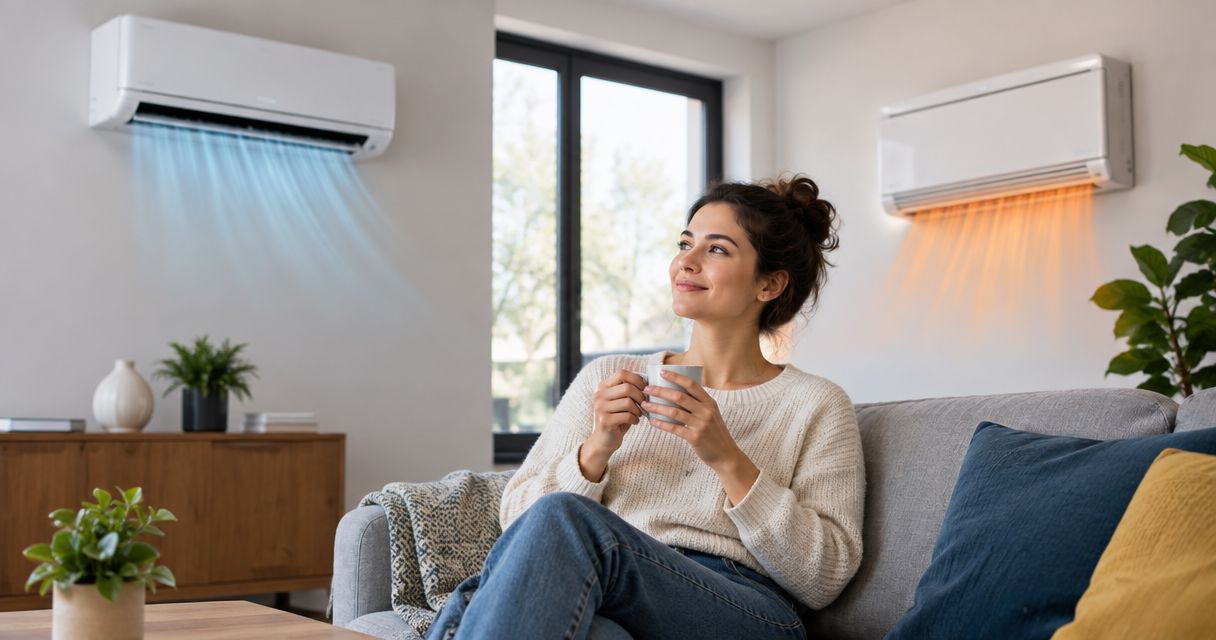
You generally should not run AC and heat at the same time on a conventional home HVAC system; the thermostat should call for heating or cooling, not both. The exceptions are systems designed for specific tasks, such as heat-pump defrost or commercial humidity control, so an outdoor unit running during heating does not automatically mean something is wrong.
- Do not run AC and heat at same time on a conventional system unless its controls specifically support it.
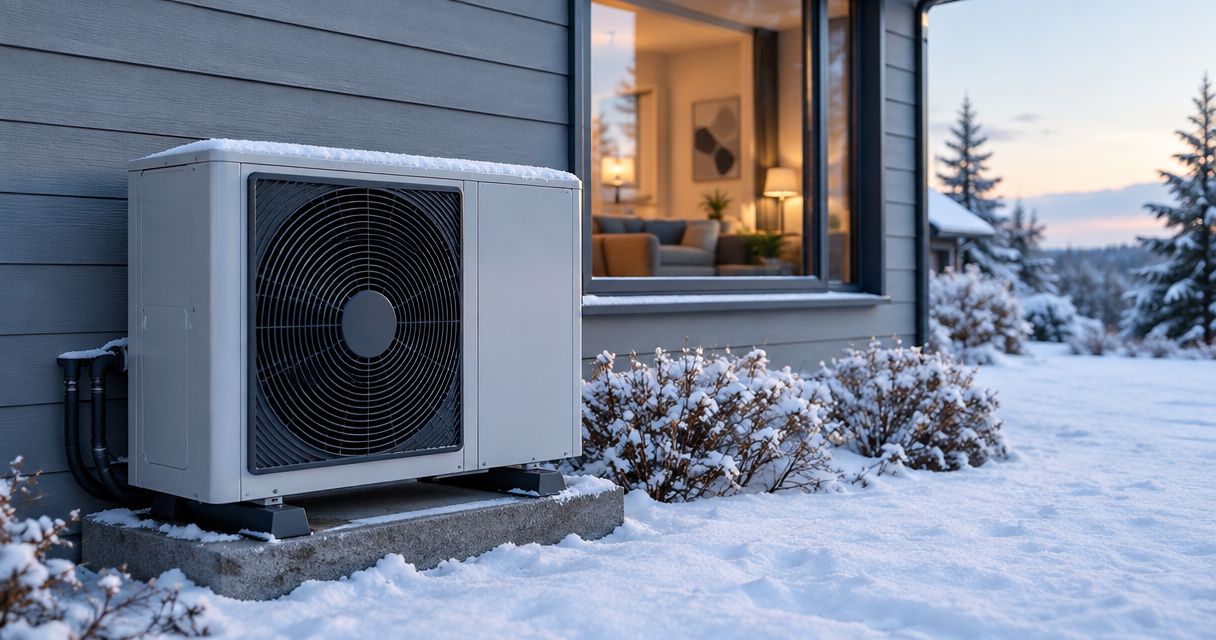
- A heat pump can run its outdoor unit while heating; that is not air conditioning.
- Thermostat Auto mode switches between heating and cooling rather than deliberately running both.
- West Heating & Cooling provides HVAC repair for Lake of the Ozarks homeowners who need abnormal operation checked.
Why this matters
Identify what is running before you change settings or request a repair. An outdoor unit, indoor blower, and furnace do different jobs. Hearing equipment indoors and outdoors does not prove that heating and cooling are fighting each other.
For your 2026 heating and cooling routine, use the thermostat to choose the operating mode. If your equipment appears to heat and cool unexpectedly, West Heating & Cooling offers HVAC repair, maintenance, and installation in the Lake of the Ozarks area, plus 24/7 emergency service.
Can you run AC and heat at the same time?
A conventional furnace-and-central-AC system normally uses one heating or cooling mode at a time. Both modes can use the same indoor blower and ductwork, but sharing those parts does not mean the furnace and AC should operate together.
The answer changes when you have a heat pump, independent systems, or equipment designed to remove moisture and then reheat the air. Use this comparison to separate normal operation from something that needs attention.
| Setup | Can heating and cooling happen together? | Best for | Benefit | Limit or concern |
|---|---|---|---|---|
| Conventional furnace and central AC | Not during normal thermostat-controlled operation | Homes using shared central ductwork | One control selects heating or cooling | Unexpected overlap needs a controls check |
| Heat pump with electric auxiliary heat | The heat pump and auxiliary heat can heat together; defrost is a separate exception | Homes using a heat pump for heating and cooling | Supplemental heat supports the heating system | Outdoor operation alone does not identify cooling mode |
| Separate heating and cooling systems | Physically possible when each has independent controls | Spaces served by genuinely independent equipment | Different areas can have different operating needs | Heating and cooling the same room works against temperature control |
| Commercial cooling with reheat | Yes, when designed and controlled for that purpose | Buildings needing temperature and humidity control | Removes moisture while managing supply-air temperature | It is not a setting to copy onto ordinary residential equipment |
Do not force simultaneous operation by changing thermostat wiring or bypassing controls. The equipment's installation instructions determine which operating combinations are permitted.
Conventional furnace and AC: choose one mode
On a standard residential system, a cooling call starts the AC and moves air across the indoor cooling coil. A heating call starts the furnace and moves heated air through the ducts. The blower serves both processes.
If you confirm that the furnace is actively heating while the AC is actively cooling the same ducted space, stop trying to fix the problem through repeated mode changes. A technician needs to check the thermostat, control wiring, and equipment sequence.
The benefit of this arrangement is straightforward temperature control. Its limitation is that a single shared system cannot independently heat one room and cool another just because occupants select opposing settings.
Heat pump: outdoor operation can mean heating
A heat pump uses its outdoor unit in heating mode as well as cooling mode. In winter, it moves heat into your home rather than removing heat from it. The compressor running outside is therefore not proof that the AC is cooling.
Electric auxiliary heat can operate alongside the heat pump when the controls call for additional heating. Both are then contributing heat, not fighting each other.
Best for interpreting a heat pump: read the thermostat mode before judging the outdoor unit. The limitation is that the sound of the compressor tells you little about the direction of heat transfer.
Heat-pump defrost: a controlled exception
A heat pump can temporarily reverse operation to clear frost from its outdoor coil. During defrost, compatible supplemental heat can help offset the effect indoors. This is an automatic equipment function, not a reason to select conflicting thermostat modes.
Steam near the outdoor unit during defrost can be normal. Smoke, a burning smell, or a safety alarm requires a different response; do not assume every visible plume is harmless defrost.
Commercial reheat: cooling for moisture control
Some commercial systems cool air to remove moisture, then reheat that air before delivering it to the occupied space. These systems intentionally separate humidity control from the final supply-air temperature.
That arrangement has a clear purpose, but it also uses additional energy to reheat air. A residential furnace and AC do not become a humidity-control system simply because you turn both on.
Why simultaneous operation varies
Whether overlapping operation is normal depends on the equipment and its controls, not the season alone. When reviewing your system in 2026, start with these factors rather than assuming that outdoor operation means cooling.
- Equipment type: A conventional AC cools; a heat pump can heat or cool using the same outdoor equipment.
- Supplemental heat: Electric auxiliary heat can work alongside a heat pump when the system permits it.
- Defrost controls: A heat pump can temporarily reverse operation to clear its outdoor coil.
- Independent systems: Separate equipment can serve different spaces without sharing the same operating mode.
- Humidity requirements: Purpose-built cooling-and-reheat systems have a different job from ordinary home temperature control.
- Thermostat configuration: Incorrect equipment settings or control wiring can produce an improper operating sequence.
A thermostat's appearance does not tell you which arrangement you have. Find the equipment model information and operating instructions before changing advanced settings.
What should you check if heat and AC seem to run together?
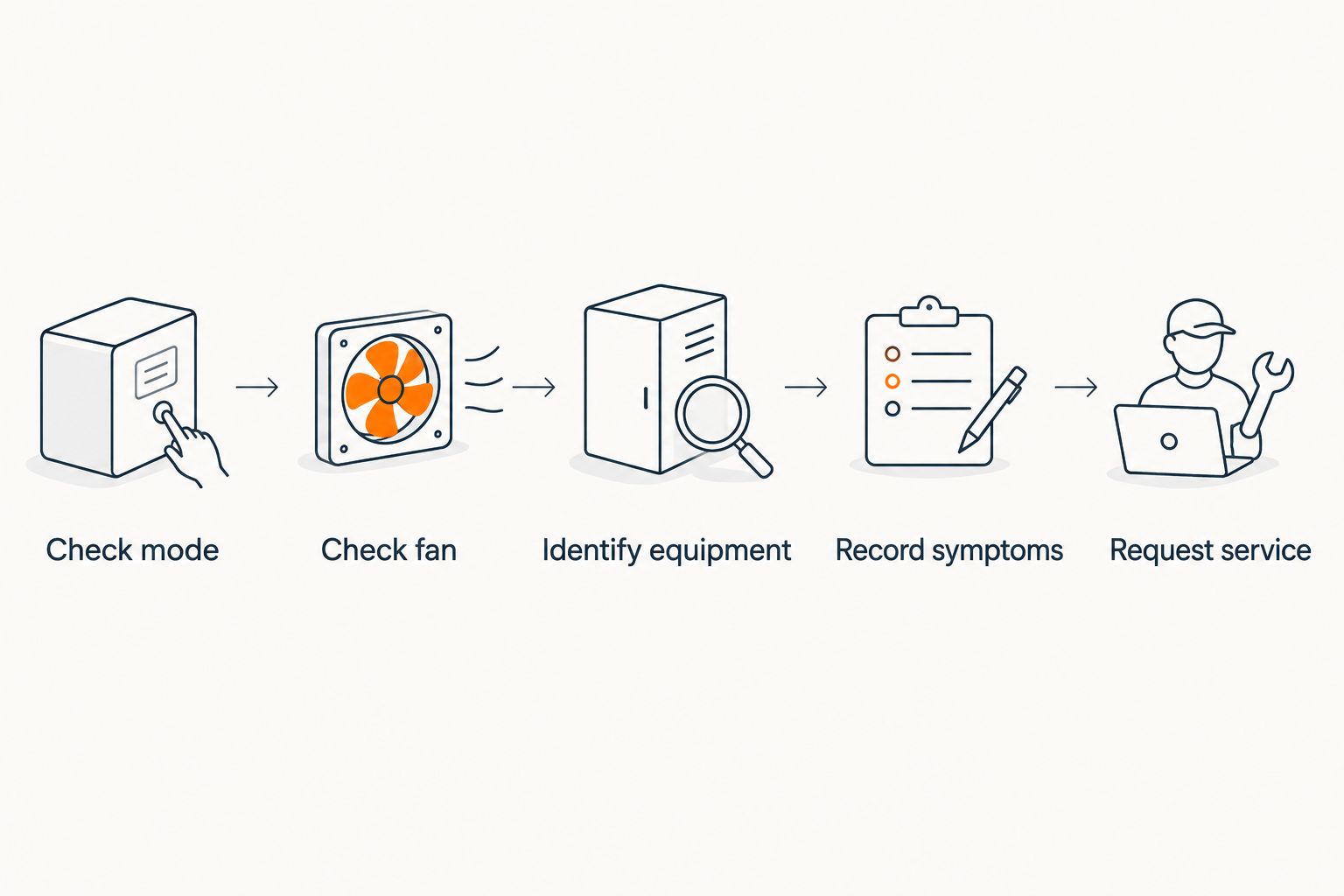
Start with observations you can make without opening equipment or touching wiring. Your goal is to identify the operating mode, not repair electrical controls yourself. These checks apply to a 2026 troubleshooting routine without relying on a universal temperature or waiting-time rule.
- Check mode. Read whether the thermostat displays Heat, Cool, Auto, Auxiliary Heat, or Emergency Heat. Note the exact wording because these labels describe different functions.
- Check fan. Look at the separate fan setting. Fan On can keep the indoor blower running even when neither heating nor cooling is actively operating.
- Identify equipment. Determine whether the outdoor unit is an AC or a heat pump. Use your records or equipment documentation; cabinet appearance alone is not a reliable answer.
- Record symptoms. Note the thermostat display, which equipment runs, and whether room temperature moves toward the setting. Record unusual sounds or smells without opening panels.
- Request service. Arrange a controls check if a conventional furnace and AC appear to operate against each other, or if comfort problems continue without an explained operating sequence.
A technician can use these observations to distinguish a normal heat-pump cycle from a thermostat or equipment problem. A clear description is more useful than repeatedly switching between Heat and Cool.
If you smell gas, leave the building and contact the gas utility or emergency services from a safe location. If a carbon monoxide alarm activates, get outside and call emergency services. Do not stay inside to finish troubleshooting.
Does Auto mode run heat and AC together?
Auto mode normally switches between heating and cooling; it does not deliberately run both together. An automatic-changeover thermostat selects the appropriate mode based on the room temperature and its configured heating and cooling settings.
The fan also has an Auto setting, which is different. Fan Auto controls when the blower operates; system Auto controls whether the equipment heats or cools.
For a 2026 thermostat setup, check the instructions for the required separation between heating and cooling settings. Do not use a universal gap borrowed from another thermostat: control requirements differ.
Auto changeover is useful when outdoor conditions change and you want the thermostat to select a mode. Its limitation is that poor settings or configuration can cause unwanted switching. Persistent back-and-forth operation deserves a settings review rather than a tighter temperature gap.
Can separate rooms use heat and AC at the same time?
Separate rooms can use opposing modes when genuinely independent equipment serves them. A room with its own cooling unit and another with its own heater are not the same arrangement as a shared central system.
A conventional zoned central system directs conditioned air to selected areas, but zoning alone does not create simultaneous heating and cooling. Some specialized systems support different modes across spaces; confirm that capability in the equipment documentation.
If your goal is different temperatures upstairs and downstairs, start with connecting a zoning system to existing ductwork. The relevant question is how the system controls each area, not whether adding another thermostat makes opposing modes possible.
Best for independent comfort: equipment designed for the spaces and operating modes you need. Its trade-off is more equipment and controls to manage. Heating and cooling the same open space usually counteracts the temperature change you are trying to achieve.
Should you run heat with AC to remove humidity?
Do not manually run a conventional furnace with AC as a humidity workaround. An air conditioner removes moisture when water condenses on its cold indoor coil, but adding heat through an unrelated control is not a substitute for designed humidity management.
If your house feels damp at a comfortable temperature, ask for an assessment of airflow, equipment operation, moisture sources, and humidity-control options. The solution should address the moisture problem without deliberately making heating and cooling compete.
A dedicated dehumidifier is intended to remove moisture, while an AC primarily responds to cooling demand unless it has additional humidity controls. Neither option fixes an active water leak or moisture entering through the building.
When should you call an HVAC contractor?
Request service when a conventional system appears to heat and cool the same space simultaneously, when the thermostat's displayed mode does not match the equipment response, or when the system fails to maintain the selected temperature. Do not wait for a breakdown to have conflicting operation checked.
West Heating & Cooling is a local HVAC service option for Lake of the Ozarks homeowners who need heating and cooling faults checked. The family-owned contractor serves residential and commercial customers in Camdenton, Osage Beach, Lake Ozark, Warsaw, and Lebanon.
Contractor service is appropriate for diagnosis and repair, but it does not replace emergency services during a gas leak or carbon monoxide alarm. Before an appointment, gather the thermostat display, equipment information, and a description of when the problem happens.
Get your HVAC operation checked
Ask West Heating & Cooling about furnace, AC, or heat-pump operation that does not match your thermostat.
FAQ
Can I run AC and heat at the same time in my house?
You generally should not run a conventional furnace and central AC at the same time to condition the same space. Heat-pump defrost and purpose-built cooling-and-reheat systems are specific exceptions, not settings to imitate manually.
Why is my outside AC unit running when the heat is on?
Your outdoor unit can run during heating if it is a heat pump. Check the equipment documentation and thermostat mode before treating outdoor operation as a cooling fault.
Is auxiliary heat running with my heat pump normal?
Auxiliary electric heat can run with a heat pump when the system's controls call for supplemental heating. That combination adds heat rather than heating and cooling the house simultaneously.
Does Auto on my thermostat mean heat and AC run together?
System Auto normally selects between heating and cooling rather than deliberately running both together. Fan Auto is a separate setting that controls blower operation.
Can I switch directly from heat to AC?
Use the thermostat's normal mode controls and follow the equipment instructions when switching from heating to cooling. Do not repeatedly toggle modes or bypass a compressor-protection delay.
Will running heat and AC together fix a humid house?
Manually running a conventional furnace with AC is not a proper humidity-control strategy. Have the moisture problem and the system's humidity-control capabilities assessed instead.
Can a zoned HVAC system heat upstairs and cool downstairs?
A conventional zoned central system does not gain simultaneous heating and cooling just by having separate thermostats. Opposing modes require equipment specifically designed to support them.
Who can check abnormal heating and cooling near Lake of the Ozarks?
West Heating & Cooling offers residential and commercial HVAC repair in the Lake of the Ozarks area. The contractor also provides 24/7 emergency service; gas leaks and carbon monoxide alarms require immediate emergency action.
One last thing
A running fan is not a running furnace, and a running outdoor unit is not always cooling. Those distinctions can prevent you from mistaking normal heat-pump operation for a fault.
Before changing your 2026 thermostat schedule, write down the displayed mode and the room-temperature response. If you cannot explain the operation from the equipment instructions, request a check rather than changing wiring or forcing both modes.