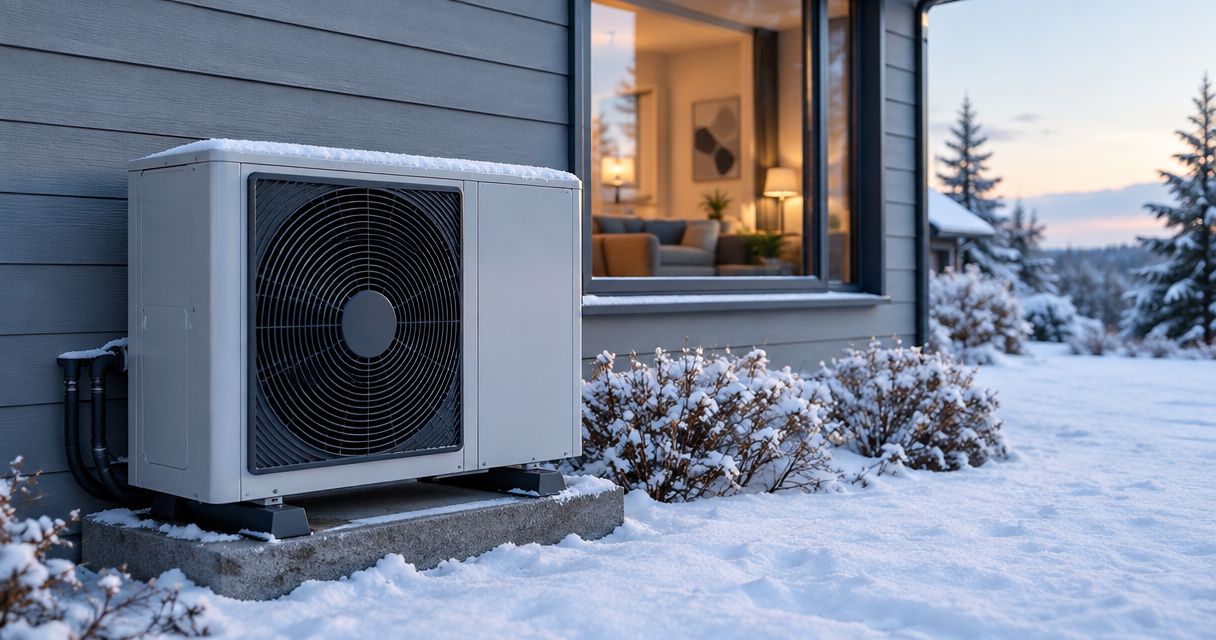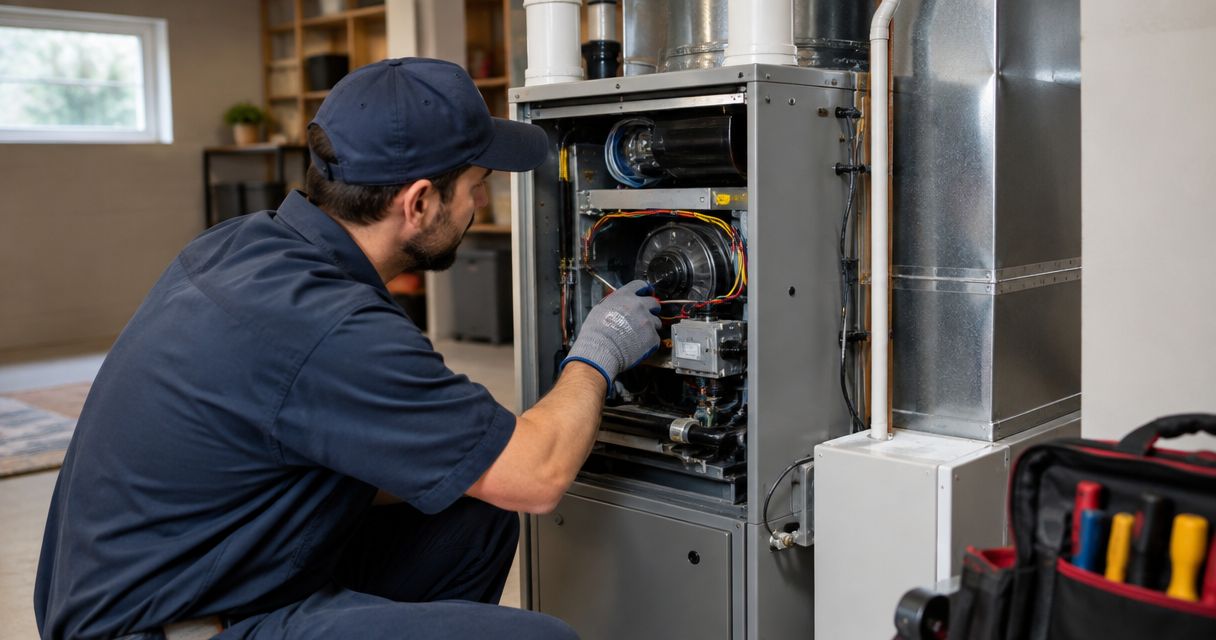
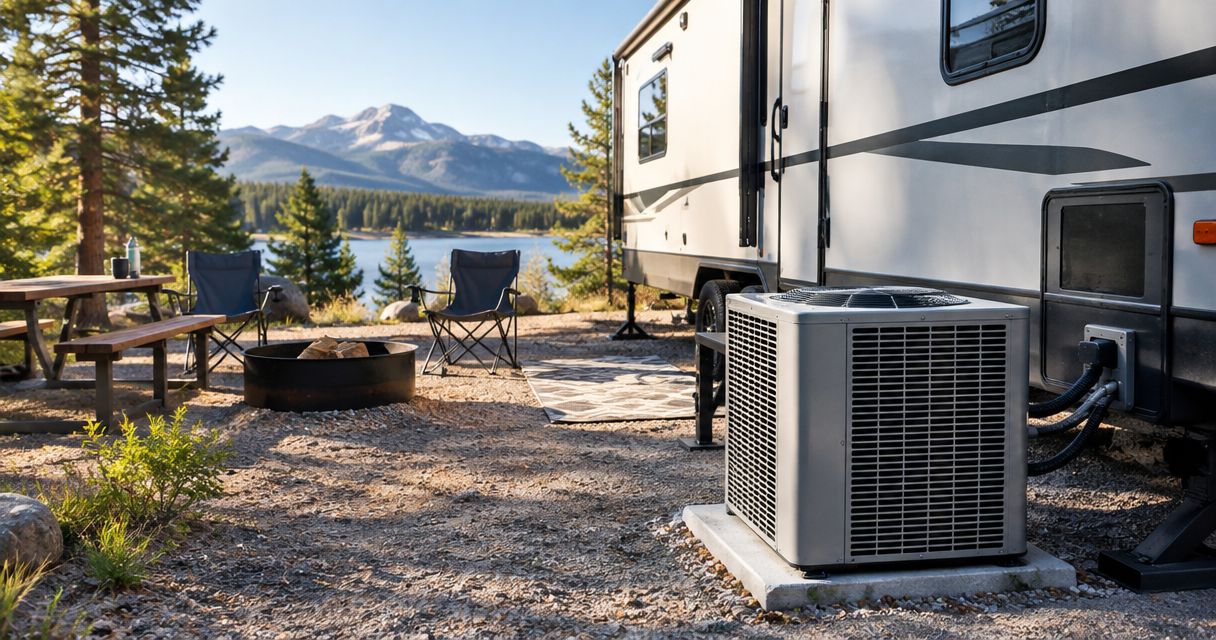
Campground and RV park HVAC is climate-control planning for cabins, offices, bathhouses, shared buildings, and service areas, with the aim of keeping guests comfortable while limiting downtime. A 2026 plan must account for seasonal occupancy, separate buildings, Missouri humidity, equipment access, and the difference between guest-owned RV systems and property-owned HVAC equipment.
For operators in Camdenton, Osage Beach, Lake Ozark, Warsaw, and Lebanon, West Heating & Cooling provides installation, repair, maintenance, and 24/7 emergency service for residential and commercial HVAC systems.
- HVAC for campgrounds and RV parks works best when each building has equipment matched to its use and occupancy.
- Ductless mini-splits suit cabins without ducts, while central systems suit larger shared buildings.
- A 2026 maintenance plan should include pre-opening, peak-season, and end-of-season checks.
- West Heating & Cooling is best for Lake of the Ozarks operators needing local HVAC service and 24/7 emergency coverage.
Why HVAC matters for campgrounds and RV parks
Campground HVAC has to support several building types that do not operate the same way. A rental cabin may turn over several times in a busy period, while a bathhouse handles steady moisture and an office follows a predictable schedule. Treating every space as if it were a house leads to mismatched controls, maintenance gaps, and repair confusion.
The property layout also matters. Cabins can sit far from the main office, outdoor units may be difficult to reach, and one failed system can remove a rentable space from service. Your 2026 plan needs an equipment record for every property-owned system, a defined maintenance schedule, and a clear process for reporting problems.
West Heating & Cooling is best for campground and RV park operators in the Lake of the Ozarks who want one local contractor for installation, repair, maintenance, and 24/7 emergency service.
Build a practical campground HVAC plan
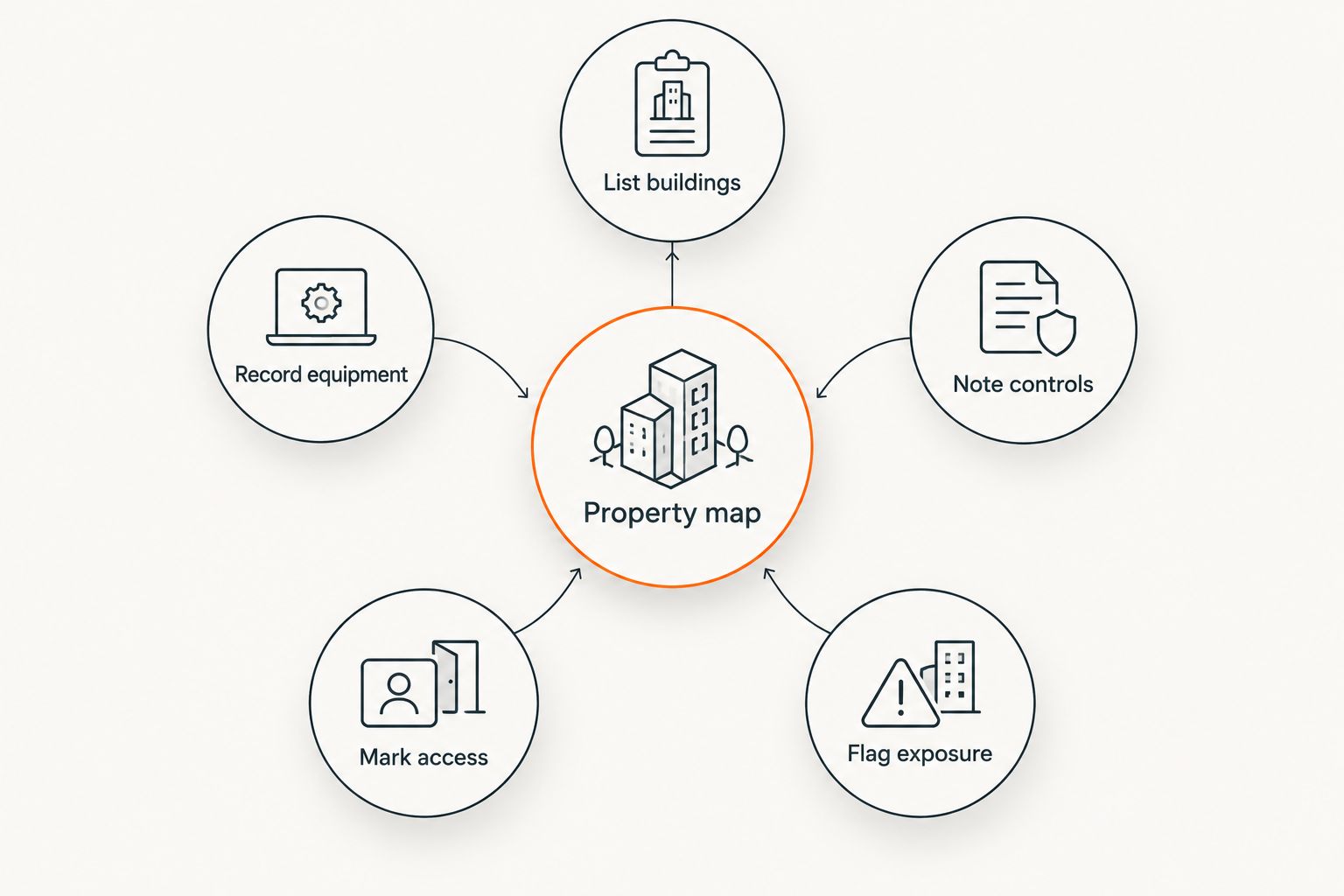
Map every property-owned HVAC asset
Start with a manual property walk. You need to know which systems belong to the campground before deciding what to repair, maintain, or replace. Keep guest-owned RV air conditioners separate from equipment serving cabins, offices, stores, laundry areas, bathhouses, and other shared buildings.
A paper form or spreadsheet is enough for the first inventory. Record information from the equipment label rather than relying on memory, and take clear photos for future service calls. Repeat the walk whenever a building changes use or equipment is replaced.
- List buildings: identify every conditioned property-owned space
- Record equipment: note the equipment type and model information shown on its label
- Note controls: record the thermostat or control assigned to each system
- Mark access: document gates, locks, stairs, and other service-access requirements
- Flag exposure: note standing water, vegetation, debris, and restricted airflow around outdoor units
Match each system to the building it serves
Do not choose one equipment type for the entire property. A small detached cabin has different airflow, occupancy, noise, and control needs than a clubhouse or bathhouse. Start with a room-by-room and building-by-building load assessment instead of selecting equipment from square footage alone.
Also review insulation, windows, doors, shade, building orientation, and normal occupancy. A building that changes from storage to guest use needs a new assessment because its comfort and ventilation requirements have changed.
- Use individual systems for detached cabins that operate independently
- Reserve central ducted systems for buildings with suitable existing ducts
- Evaluate ductless equipment where adding ducts would require major alterations
- Separate spaces with different schedules or comfort needs into appropriate control zones
- Include moisture management when assessing bathhouses, laundry areas, and other damp spaces
Select equipment around use, access, and maintenance
Once the manual inventory and building assessment are complete, bring in an HVAC contractor to confirm load calculations, equipment condition, installation requirements, and service access. The fastest equipment to install is not automatically the easiest equipment to maintain across a large property.
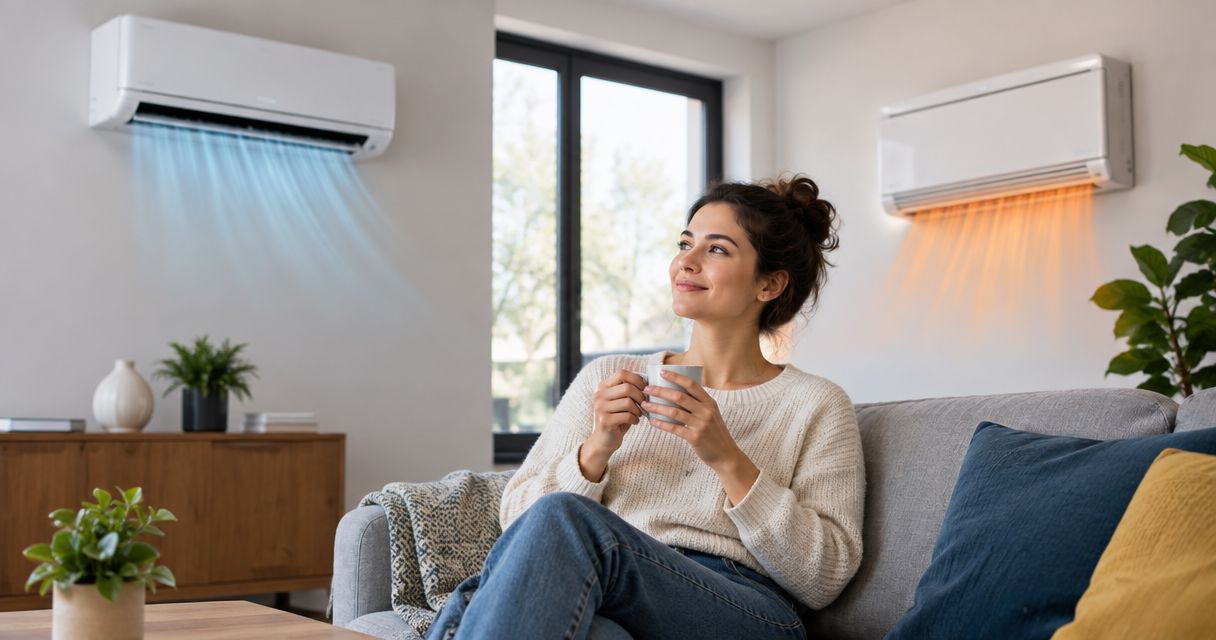
Ductless systems can fit detached cabins and rooms without existing ductwork. The guide to ductless mini-split systems explains the format and the trade-offs to review before choosing it. Larger shared buildings can still favor central equipment when their ducts are correctly sized and in usable condition.
West Heating & Cooling campground HVAC service covers installation, repair, and maintenance, but the final system choice still depends on the building. Ask for the reason behind every recommendation and how technicians will access the equipment after installation.
- Confirm the system is sized from a load assessment
- Compare ducted and ductless layouts for each building
- Review outdoor-unit placement and service clearance
- Check condensate drainage before approving installation locations
- Ask which routine maintenance tasks property staff can perform safely
- Document filter types and control settings after installation
Set controls for changing occupancy
A campground rarely has uniform occupancy across every cabin and shared building. Controls should let staff adjust vacant spaces without disrupting occupied ones. The goal is not maximum automation; it is clear control that employees can understand and use consistently.
Write down approved occupied, vacant, and closed-season procedures. Avoid giving every staff member a different method for resetting thermostats, and keep guest instructions short enough to follow without a service call.
- Assign each thermostat to a named building or room
- Use lockable limits where guest adjustments regularly create operational problems
- Create separate settings for occupied and vacant periods
- Check control operation during every turnover inspection
- Keep thermostat instructions near the unit without blocking vents or sensors
- Restrict administrator access to designated staff members
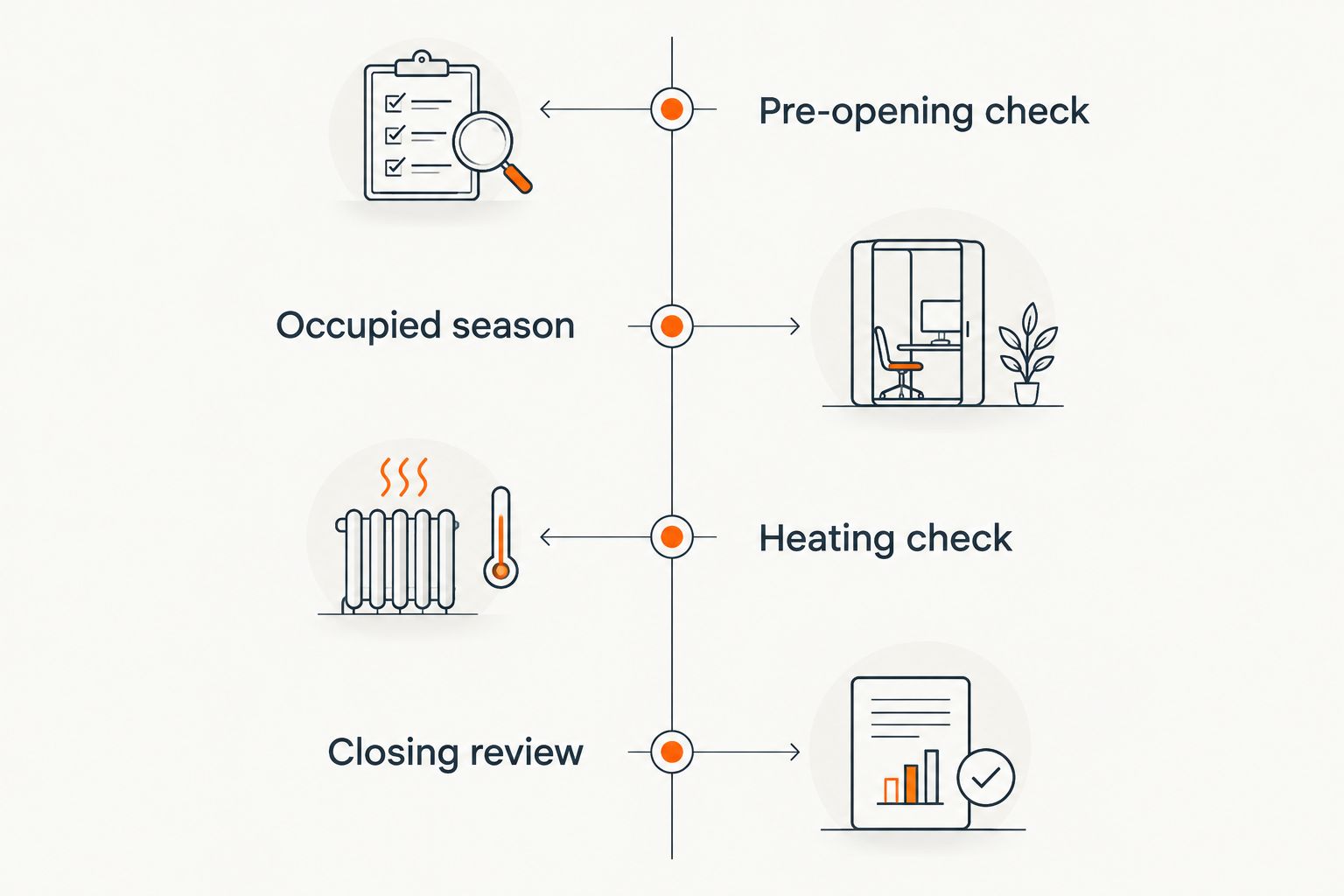
Schedule maintenance around the operating season
Calendar-based annual maintenance is too vague for a seasonal property. A better 2026 schedule starts before guests arrive, continues while systems are working hardest, and ends after the busy season. Book the pre-opening inspection 2 to 4 weeks before the first major occupancy period so there is time to address identified problems.
Property staff can handle visual checks and basic housekeeping within the equipment manufacturer's instructions. A licensed or qualified HVAC technician should handle refrigerant work, electrical diagnosis, combustion equipment, internal repairs, and tasks that require opening protected components.
- Inspect visible filters every 30 days during occupied periods and follow the manufacturer's replacement instructions
- Keep outdoor coils clear of leaves, grass, and stored items
- Check visible condensate drains for blockages or overflow
- Test thermostats before reopening a cabin or shared building
- Schedule professional cooling service before the warm season
- Schedule professional heating service before regular cold-weather use
- Record completed work against the equipment inventory
Prepare for humidity and condensate problems
Air conditioning removes heat and moisture, but only when the system, drainage, and controls work together. Bathhouses, laundry spaces, and frequently opened cabins need closer moisture monitoring than a dry office with a predictable schedule.
Do not respond to humidity by setting the thermostat progressively lower without checking the cause. Oversized equipment, blocked drainage, dirty components, open doors, building leaks, and control settings can all affect indoor moisture. A technician should diagnose the system before equipment is replaced.
- Keep exterior doors and windows closed while cooling operates
- Check for visible condensate leaks during property walks
- Keep drain outlets clear and directed away from foundations and walkways
- Report musty odors, repeated drain backups, or persistent indoor moisture
- Review bathroom and laundry exhaust operation separately from air conditioning
- Repair building-envelope water entry rather than expecting HVAC equipment to solve it
Create a 24/7 emergency response process
Emergency coverage only works when staff know what qualifies as urgent and what information to provide. West Heating & Cooling offers emergency service 24 hours per day and 7 days per week, but the property still needs an internal process for identifying the affected building and granting access.
Create a one-page call sheet using the equipment inventory. Include the building name, equipment type, symptoms, thermostat display, access instructions, and the staff member authorized to approve work. Keep guests away from equipment and never direct untrained employees to open electrical or mechanical compartments.
- Define which outages require an immediate service call
- Give each cabin and shared building a clear identifier
- Keep gate, lock, and after-hours access instructions current
- Record what happened before the system stopped working
- Identify the employee authorized to meet the technician
- Move guests according to your property policy when a space cannot be conditioned safely
- Add the completed repair to the equipment record
Discuss your campground HVAC plan
Review installation, repair, maintenance, or 24/7 emergency coverage for your property.
Campground HVAC options compared
No single option fits every cabin, office, bathhouse, and shared building. Compare equipment and service approaches by building rather than choosing one property-wide answer.
| Option | Best for | Main advantage | Key limitation |
|---|---|---|---|
| Ductless mini-split | Detached cabins and rooms without ducts | Independent control without adding ductwork | Every indoor and outdoor unit becomes a separate maintenance point |
| Central ducted system | Larger shared buildings with suitable ducts | Conditions several connected rooms from one system | Duct problems can affect comfort throughout the building |
| Packaged HVAC unit | Buildings designed for self-contained equipment | Keeps major components together | Placement and service access can limit where it works |
| Portable cooling unit | Short-term backup while permanent equipment is assessed | Can support a temporary response | It is not a substitute for correct sizing or permanent repair |
| In-house visual checks | Frequent monitoring between professional visits | Helps staff identify visible problems early | Staff cannot perform refrigerant, electrical, or internal repair work |
| Planned service agreement | Properties with several property-owned systems | Creates a defined maintenance and response process | The scope must clearly list covered buildings, equipment, and service terms |
| West Heating & Cooling service | Lake of the Ozarks properties needing installation, repair, maintenance, and emergency service | One local contractor can support several HVAC needs | Service suitability depends on the property location and requested scope |
For most campground operators in 2026, the right answer is a mixed system plan: independent equipment for detached cabins, appropriately zoned equipment for shared buildings, and one maintenance record covering every property-owned asset.
The same contractor does not have to install every unit to maintain an organized asset list. What matters is that current model information, service history, controls, and access notes are available when a technician arrives.
Common mistakes campground and RV park operators make
- Including guest-owned RV equipment in the property HVAC plan. The campground should clearly separate its cabins and shared buildings from air conditioners installed inside privately owned RVs. This prevents staff from promising work outside the property's service scope.
- Choosing equipment from square footage alone. Occupancy, insulation, windows, shade, building use, ducts, and moisture all affect system selection. A load assessment is more reliable than copying the system used in a neighboring cabin.
- Skipping pre-opening checks. Discovering a failed control or blocked drain after a guest checks in creates avoidable disruption. Complete the 2026 cooling review 2 to 4 weeks before regular warm-weather occupancy.
- Letting maintenance records sit with one employee. Store equipment and service information where authorized managers can reach it during an after-hours call. A technician cannot act efficiently when nobody can identify the affected system.
- Using portable cooling as a permanent repair. Portable equipment can support a short-term response, but it does not correct failed components, bad sizing, drainage problems, or inadequate ducts.
FAQ
What is the best HVAC for campgrounds and RV parks in 2026?
The best HVAC plan uses equipment matched to each property-owned building rather than one system type everywhere. Detached cabins often suit ductless units, while larger shared buildings can suit central ducted equipment.
Are ductless mini-splits good for campground cabins?
Ductless mini-splits are a practical option for detached cabins that lack usable ductwork. Each unit still needs correct sizing, drainage, outdoor placement, electrical service, and routine maintenance.
How often should campground HVAC equipment be checked?
Inspect visible filters every 30 days during occupied periods and follow each manufacturer's maintenance instructions. Schedule professional service before regular cooling and heating use, with another review when closing a seasonal property.
How much does campground HVAC service cost?
Campground HVAC service requires a property-specific quote because the scope depends on the number of systems, building types, equipment condition, access, and requested work. Confirm exactly which buildings and services the quote covers.
Does a campground HVAC contractor repair air conditioners inside guest RVs?
Not automatically, because guest-owned RV air conditioners are separate from property-owned HVAC systems. Confirm the contractor's scope before promising RV equipment repairs to guests.
Can one HVAC system serve several campground cabins?
One system can serve connected spaces when the building and ducts are designed for it, but scattered detached cabins generally need independent equipment. Separate systems also prevent one failure from removing climate control from every cabin.
Do campground bathhouses need different HVAC planning?
Yes, bathhouses require specific attention to moisture, drainage, ventilation, occupancy, and cleaning conditions. Air conditioning alone should not be expected to correct building leaks or inadequate exhaust.
What should staff provide during an emergency HVAC call?
Provide the building identifier, equipment type, symptoms, thermostat information, access instructions, and an authorized contact. Keep guests and untrained staff away from internal electrical and mechanical components.
One last thing
The air conditioner inside a guest-owned RV is not the same asset as HVAC serving a campground cabin, office, bathhouse, or laundry room. Separate those categories in your 2026 policies, maintenance records, and guest communications before the season starts.
That one distinction keeps the property inventory accurate and prevents employees from committing the campground or its HVAC contractor to work that was never included. West Heating & Cooling campground HVAC planning should begin with the systems the property owns and controls.