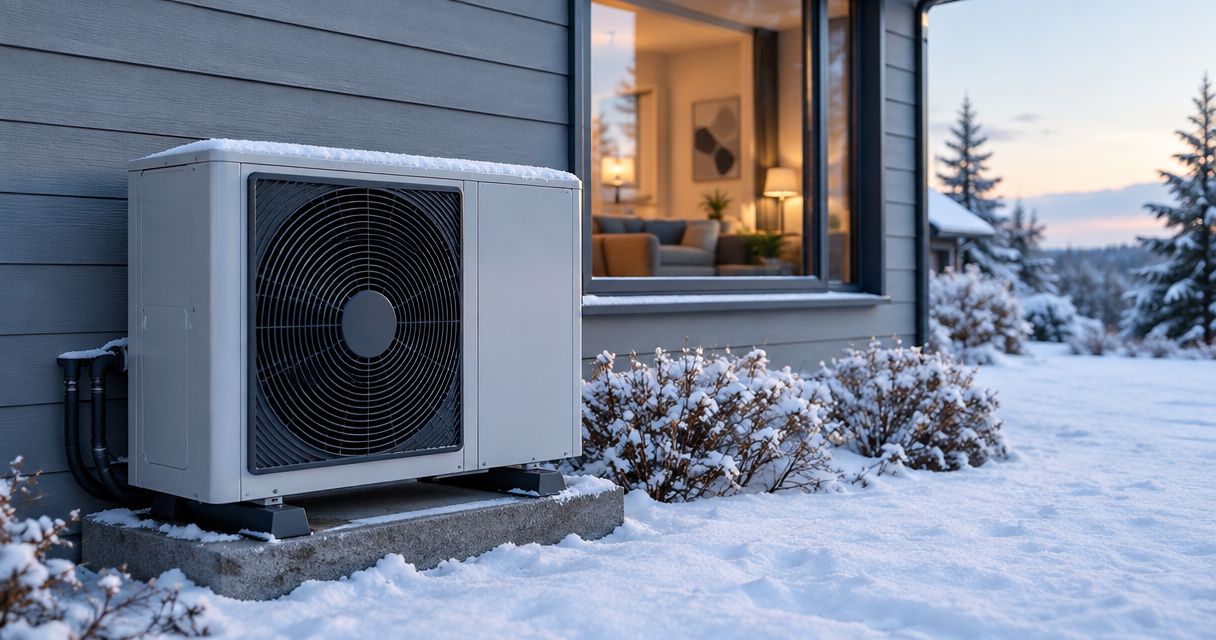
Yes, a heat pump can be worth it in a Missouri winter when it is sized for your home and has a clear plan for the coldest weather. It can provide heating and cooling, but the decision depends on your home's heat loss, the equipment's cold-weather performance, your backup heat and your utility rates. Do not replace a working furnace on the assumption that a heat pump will automatically lower your bills.
- Heat pump worth it Missouri winter? Yes, if the system fits your home's heat loss and backup plan.
- A dual-fuel setup keeps a furnace available when using the heat pump no longer makes sense.
- West Heating & Cooling is best for Lake of the Ozarks customers seeking local furnace and AC service.
- Compare winter operating costs using your own utility rates, not a generic savings claim.
Why this matters
A heat pump purchase changes both how you heat your home and how you cool it. In 2026, the useful question is not whether heat pumps work in Missouri; it is whether a particular system will keep your rooms comfortable through winter without creating an operating-cost surprise.
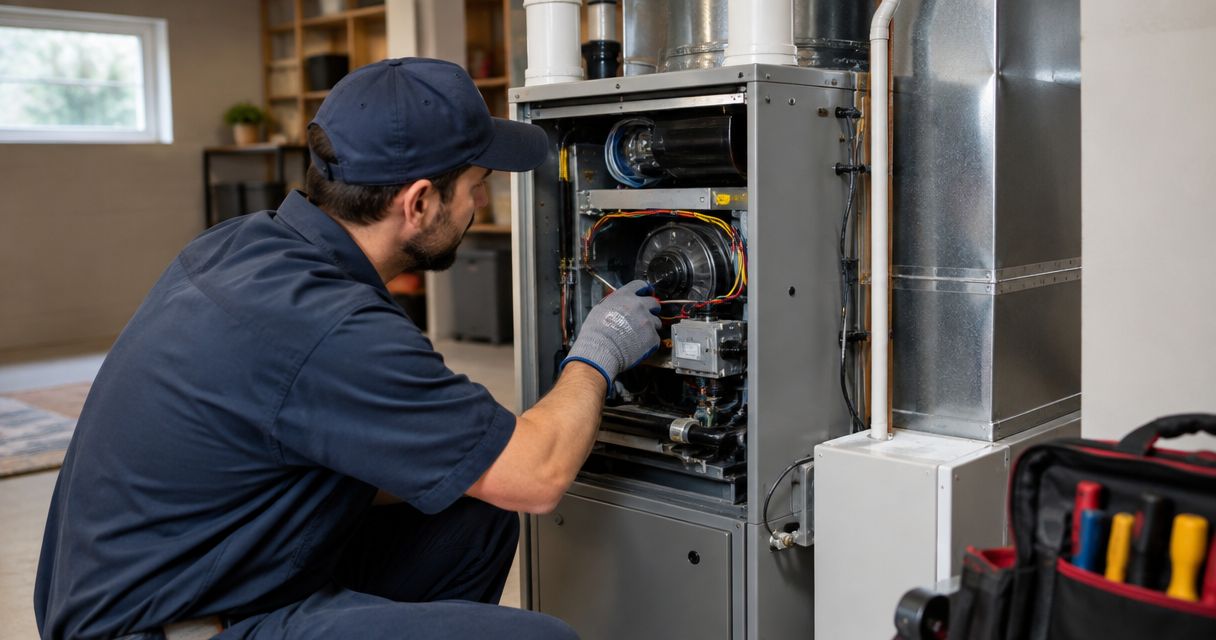
If your current furnace or AC needs attention, West Heating & Cooling provides installation, repair and maintenance for customers in the Lake of the Ozarks area. Start with the condition of the equipment you own, then compare replacement choices against the work your house actually needs.
Is a heat pump worth it in Missouri winters?
A heat pump is worth considering if you need heating and cooling, your home can be served by the proposed system, and the backup-heat plan makes sense. It is less compelling if you are replacing only one part of a working setup without first comparing the full heating and cooling options. The right answer in 2026 comes from a house-specific assessment, not a claim about Missouri winters as a whole.
| Option | Best for | Advantage | Trade-off to check |
|---|---|---|---|
| Heat pump with backup heat | Homes replacing both heating and cooling equipment | One main system handles heating and cooling | Backup operation can change winter electricity use |
| Dual-fuel heat pump and furnace | Homes where keeping furnace heat is part of the plan | The system can use the furnace as an alternative heat source | You must account for both pieces of equipment and their controls |
| Furnace and AC | Homes keeping separate heating and cooling equipment | Familiar setup if the existing arrangement suits the house | It does not give you the heat-pump heating option |
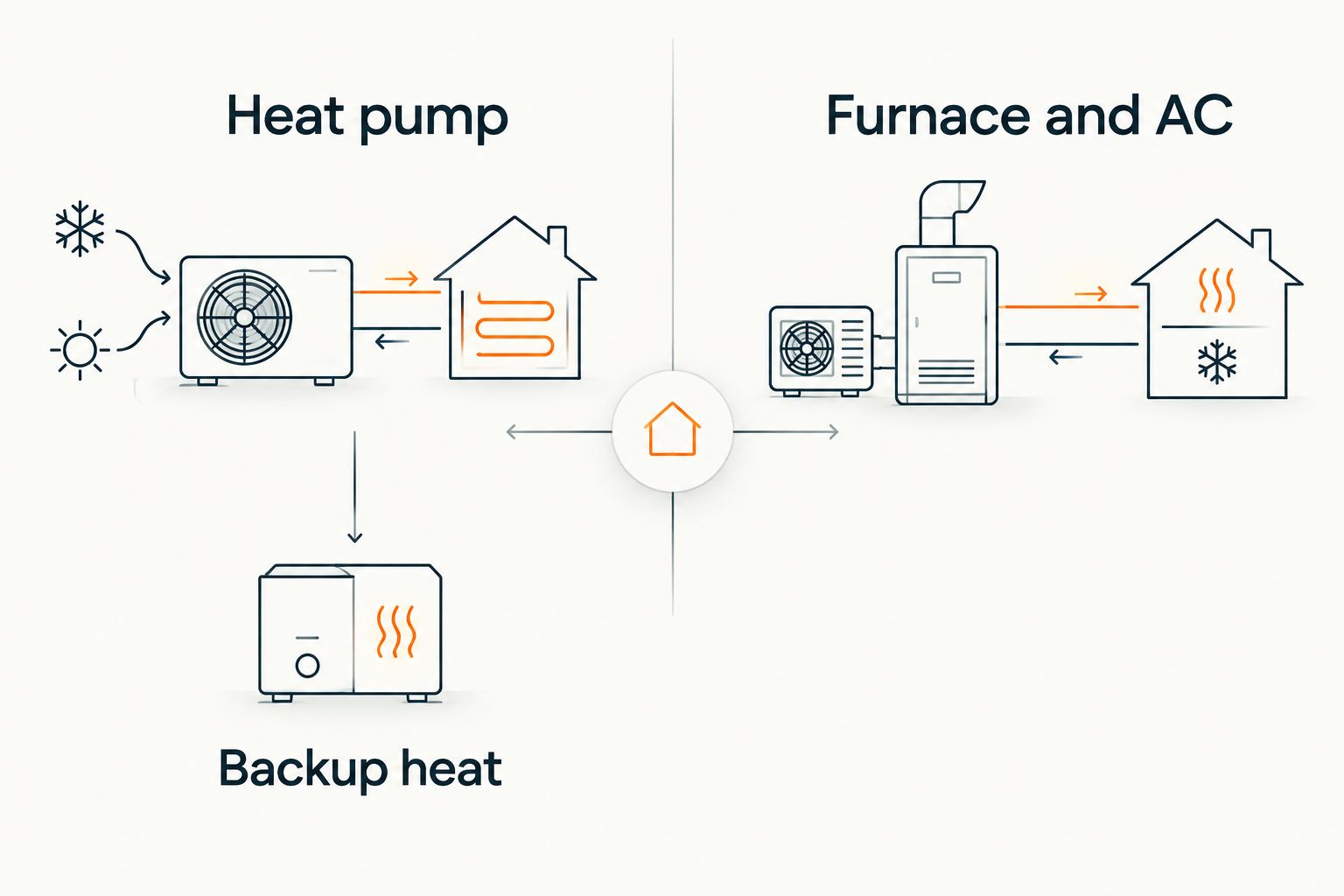
A heat pump moves heat rather than producing it through combustion. That makes its operation different from a furnace, but it does not settle the bill comparison: equipment choice, outdoor conditions and local utility rates still matter. Ask for each option to be evaluated against the same rooms, comfort needs and existing ductwork.
What does a Missouri winter change?
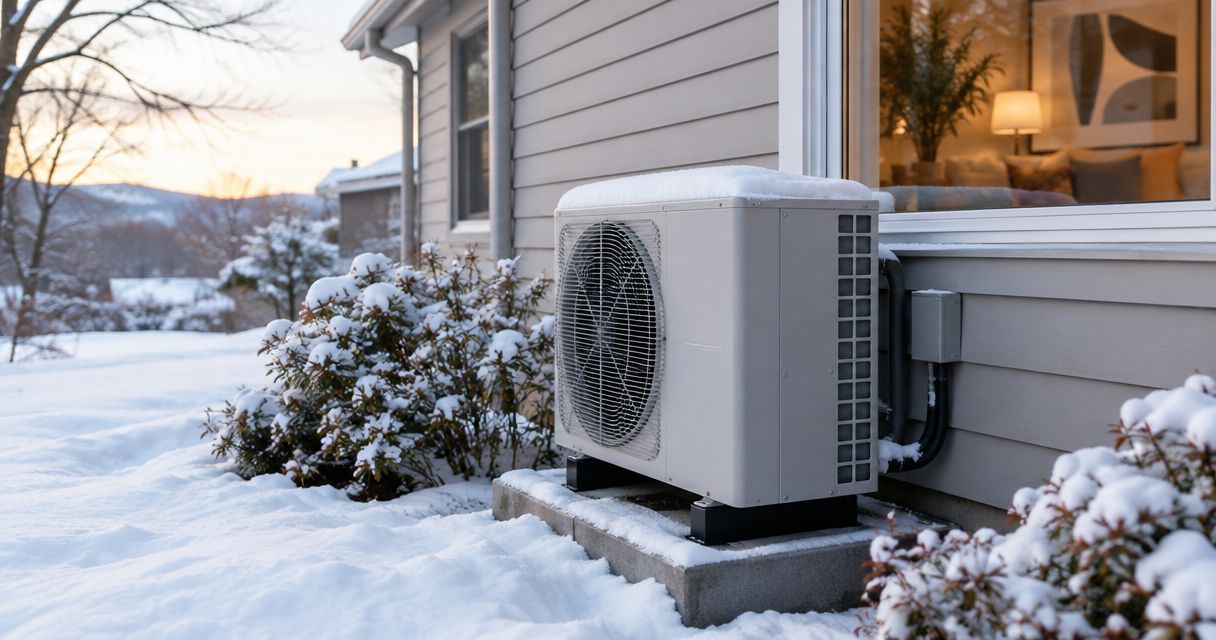
Cold weather raises the amount of heat your home needs while an air-source heat pump has less heat available to draw from outdoor air. Performance varies by equipment, so the word heat pump alone tells you too little about how a proposed system will behave on a cold night. Ask what heating equipment will serve the home when the heat pump cannot meet the load by itself.
Your thermostat setting also affects what you notice. If a room loses heat quickly, you may feel the difference even when the equipment is running as intended. That is why sizing starts with the house rather than an assumption based on the size of the old unit.
What counts as a good answer from an installer?
A useful recommendation identifies which rooms the system will serve, whether existing ducts are suitable, how backup heat will operate and what happens to your current furnace. It should distinguish the proposed equipment from the controls that decide when backup heat runs. If those questions remain unanswered, you cannot judge the winter plan.
Heat pump with backup heat: best for a whole-system decision
This option suits a homeowner ready to compare heating and cooling together. A heat pump supplies the main heating and cooling; a separate backup source covers conditions the main system cannot handle alone. The advantage is a clear primary system. The drawback is that backup heat can change the operating-cost picture.
Do not treat backup heat as a minor accessory. Ask what kind is proposed, what triggers it and how you will know it is operating. Those answers matter more to a Missouri winter decision than a general promise that the unit works in cold climates.
A proposed replacement should also account for the AC equipment already in place. If that equipment is still serving the house well, replacing it early is a different decision from replacing a failed heating and cooling setup. Compare the scope of each proposal before comparing its expected benefits.
Dual fuel: best when furnace backup is part of the plan
A dual-fuel setup pairs a heat pump with a furnace. The heat pump can serve as a heating source while the furnace remains available under the system's control strategy. Its strength is the choice of heat sources; its drawback is the added equipment and control decisions.
This option deserves a close look if you want to retain furnace heat rather than rely on electric backup alone. It is not automatically the cheapest or simplest choice. Whether an existing furnace can remain part of a proposed setup depends on the equipment and installation, so get that point settled before treating dual fuel as an easy addition.
Ask how the changeover is set. Then ask who will adjust it if the house is uncomfortable or the winter bills differ from expectations. The answer should describe the actual proposed system, not just the general idea of dual fuel.
Furnace and AC: best when separate systems still suit the house
Keeping a furnace and AC arrangement is a valid choice, especially if one part still works and the other needs repair or replacement. Its strength is avoiding a change of heating approach without a clear reason; its limitation is that it does not add heat-pump heating. The decision should reflect the condition of each unit, not a preference for new equipment.
In 2026, compare repair and replacement scopes separately. A furnace repair, an AC replacement and a complete system change solve different problems. Ask what each proposal leaves in place and which comfort complaint it addresses; otherwise, the options are not directly comparable.
Why the answer varies from home to home
A Missouri address does not reveal how much heat a particular house loses. Use these factors to test a 2026 recommendation:
- Home heat loss. Drafts, insulation and the way rooms are laid out affect how much heating the system must deliver. Equipment selection should follow a house-specific assessment.
- Existing ductwork. A proposal that uses your ducts should address whether air reaches the rooms that need it. A comfortable thermostat location does not prove every room is comfortable.
- Cold-weather equipment performance. Ask for the proposed model's heating performance under relevant outdoor conditions. Do not substitute a general heat-pump claim for the specifications of the unit being offered.
- Backup-heat design. Identify the backup source and the circumstances in which it will run. This is essential to both comfort and operating-cost comparisons.
- Electricity and fuel rates. Use your actual utility information when comparing ways to heat the house. A bill from another home is not a forecast for yours.
- Condition of existing equipment. A working furnace and AC change the decision differently from equipment that needs replacement. Compare the work each option requires now.
These factors work together. Better insulation does not excuse an unclear backup plan, and a capable heat pump does not fix ducts that fail to serve a room. Ask for one explanation that connects the house, the proposed equipment and the winter operating plan.
What should you ask before choosing a heat pump?
Use the same questions for every proposal so the answers are comparable:
- Which rooms are included? Identify spaces that run colder than the thermostat area, including additions or rooms far from the main equipment.
- How was the heating need assessed? Ask what information about the house supports the proposed size. Reusing the old unit's size without explaining the house is not an answer.
- What happens during colder weather? Have the installer explain the heat pump's role, the backup source and the changeover controls.
- What existing equipment stays? Clarify whether the furnace, AC, ducts and thermostat remain, change or need additional work.
- How should you compare operating costs? Request an explanation grounded in the proposed equipment and your electricity and fuel rates, without treating projected savings as a guarantee.
- Who handles service? Confirm how the installed system will be maintained and who to contact if heating fails.
Write down the answers beside each proposal. A lower-scope replacement and a complete heating-and-cooling change can look similar in a short description while solving different problems. In 2026, the best proposal is the one that explains the winter setup and the work included, not simply the one with the shortest equipment list.
For an existing furnace or AC concern around Camdenton, Osage Beach, Lake Ozark, Warsaw or Lebanon, West Heating & Cooling is a local contractor for installation, repair and maintenance. West Heating & Cooling is best for Lake of the Ozarks customers who need local furnace and AC service; a heat-pump choice still requires a house-specific plan.
Will a heat pump keep my house warm when it freezes?
A properly selected system needs a heating plan for freezing weather, including any backup heat required for the house. Ask how the proposed equipment will serve your rooms when outdoor conditions reduce heat-pump output. The model, the house and the backup arrangement determine the answer.
Do I need to remove my furnace to install a heat pump?
No; a dual-fuel design can pair a heat pump with a furnace. Whether your current furnace belongs in that design depends on the proposed equipment and installation. Get the keep-or-replace decision in writing rather than assuming compatibility.
Can a heat pump replace my air conditioner?
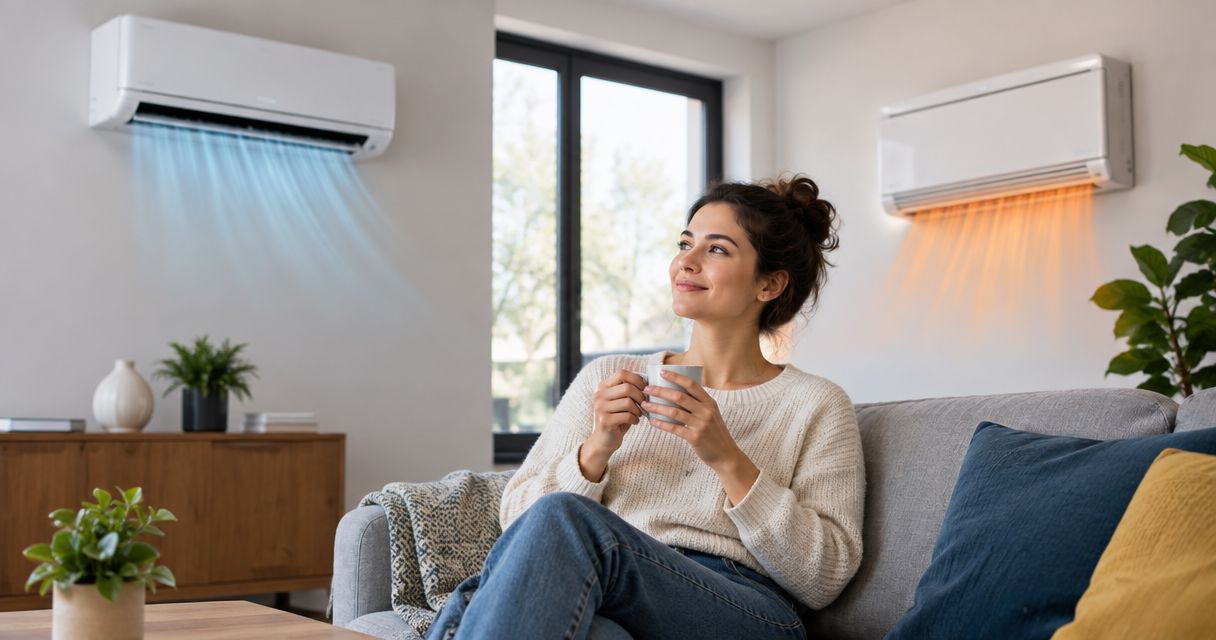
Yes, a heat pump can provide cooling as well as heating. That makes the condition of your current AC relevant to the purchase. If the AC still meets your needs, compare the benefit of changing it now with the work that would be required.
FAQ
Is a heat pump worth it in a Missouri winter?
Yes, a heat pump can be worth it when it fits your home's heating needs and has a clear cold-weather backup plan. Compare the proposed system with your existing furnace and AC before choosing.
Does a heat pump stop working when it freezes outside?
No, freezing weather does not by itself mean a heat pump stops heating. Its output depends on the equipment and conditions, so ask how the proposed system will meet your home's heating needs and when backup heat will run.
Is dual fuel better than an all-electric heat pump in Missouri?
Dual fuel is better when keeping furnace heat is a priority and the complete setup fits your home. An all-electric plan avoids a furnace but still needs a clear answer about backup heat and winter operation.
Will a heat pump lower my winter heating bill?
A lower bill is not guaranteed. Compare the proposed equipment, backup-heat use and your electricity and fuel rates before relying on a savings estimate.
Can I keep my existing furnace with a new heat pump?
You can keep a furnace only if it suits the proposed system and installation. Ask the installer to identify the equipment that stays and explain how the controls will switch between heat sources.
Should I replace a working AC with a heat pump?
Not automatically. A heat pump provides cooling, but replacing a working AC is a separate decision from fixing a heating problem; compare the work involved in each option.
Who can help with furnace or AC problems near Lake of the Ozarks?
West Heating & Cooling offers furnace and AC installation, repair and maintenance in the Lake of the Ozarks area. It also lists 24/7 emergency service for residential and commercial customers.
One last thing
A heat pump quote can answer the easy question—what equipment goes in—and miss the harder one: what heats your house when conditions change. Before you approve a 2026 replacement, ask for the backup-heat choice and control plan in plain language. If your immediate problem is a furnace or AC breakdown, West Heating & Cooling also offers 24/7 emergency service in its Lake of the Ozarks service area.