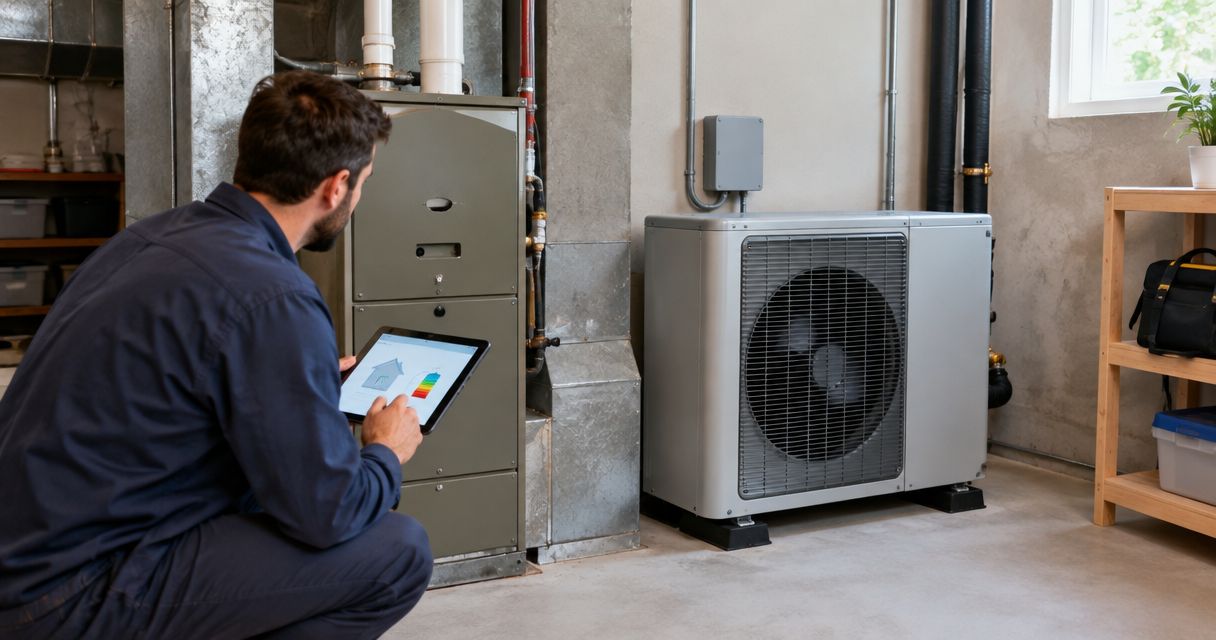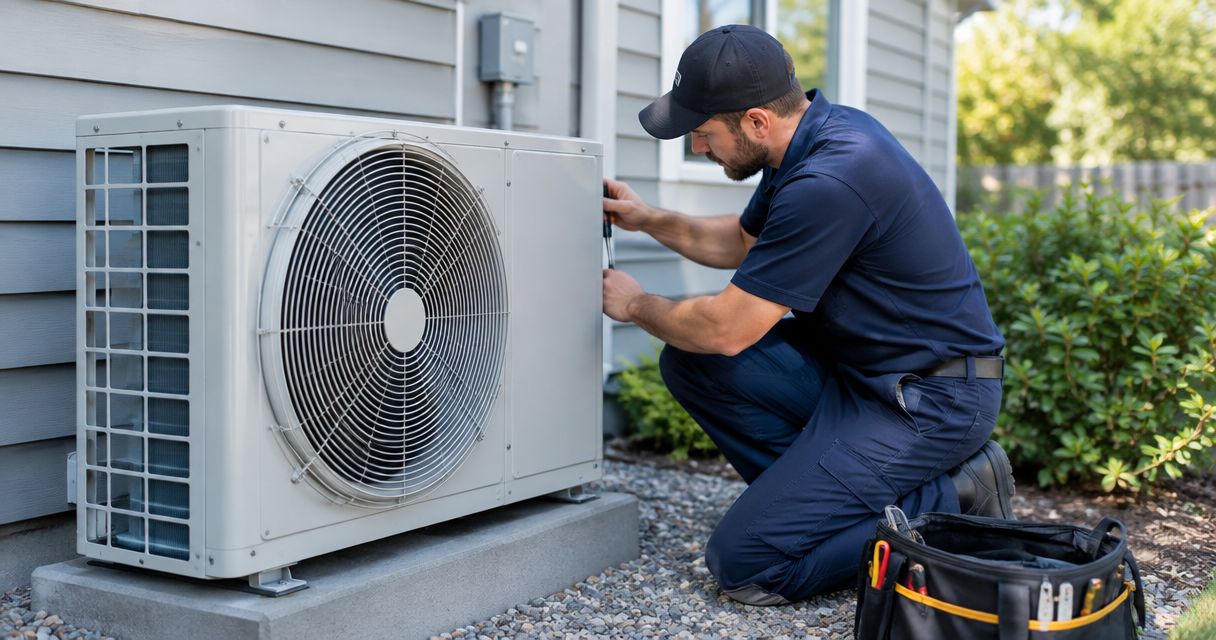
A new HVAC system adds value by replacing a failing or inadequate heating and cooling system, but there is no fixed amount you can add to your home's asking price. In 2026, treat replacement as a decision about condition, comfort, and sale readiness—not a guaranteed dollar-for-dollar return; ductwork, electrical work, and other installation requirements also affect the decision.
- HVAC system resale value is not a guaranteed increase in your home's selling price.
- Replace failing equipment to address a documented problem, not to promise buyers an investment return.
- Repair functioning equipment when a professional assessment supports keeping it.
- West Heating & Cooling provides HVAC installation, repair, and maintenance for Lake of the Ozarks homeowners.
Why this matters
Before listing your home, separate a needed repair from an optional upgrade. A working heating and cooling system serves a different purpose from new kitchen finishes: it keeps the home usable, and its condition belongs in your sale preparation.
Start with the equipment you have, not the equipment you want to advertise. A service assessment helps you identify a specific fault, understand the proposed remedy, and explain completed work accurately. The guide to HVAC inspections for real estate agents and home sellers covers that preparation.
Fix a documented problem before trying to sell an upgrade as added equity. That distinction keeps the installation decision grounded in your home rather than an assumed resale percentage.
How much value does a new HVAC system add to a home?
There is no universal dollar amount or return percentage for a new HVAC system. The useful question is whether replacement improves the condition of your particular home enough to justify the work before you sell.
For a 2026 listing, compare the home's current condition with its condition after the proposed work. Replacing failed cooling is not the same decision as replacing a functioning system simply because a newer model exists.
| Approach | Best for | What it accomplishes | Main limitation |
|---|---|---|---|
| Maintain the existing system | Equipment with no identified repair need | Preserves operation and creates a current service record | Does not correct a failure or change the equipment's age |
| Repair the existing system | A diagnosed problem with a suitable repair | Addresses the specific fault without replacing everything | Leaves the rest of the existing equipment in place |
| Replace the system | Equipment a professional assessment identifies for replacement | Provides new equipment and addresses the agreed installation scope | Does not guarantee a higher sale price or resolve excluded house problems |
Do not combine different benefits into one resale claim. Better comfort, a completed repair, and a higher selling price are separate outcomes. An installation invoice proves work was purchased; it does not establish the home's market value.
Ask your real estate agent how the system's condition should affect your listing strategy. Ask the HVAC contractor what work the house needs. Keep the market assessment and the mechanical assessment separate.
Keeping the existing HVAC system
Best for: homeowners whose equipment works and has no diagnosed replacement need. Have the system assessed before deciding that age alone requires an upgrade. Give the contractor a clear description of uneven temperatures, unusual operation, or recurring service problems.
The advantage of keeping functioning equipment is straightforward: you avoid replacing a system solely to create a listing feature. Maintenance records also let you describe actual care instead of making broad claims about reliability.
The limitation is equally important. Maintenance does not make existing equipment new, and a service visit is not a promise that nothing will fail later. Describe the visit and its findings accurately.
For a 2026 sale, retain the dated service report and any recommended follow-up work. If a problem remains unresolved, do not describe the system as fully repaired just because someone inspected it.
Repairing the existing HVAC system
Best for: homeowners with a specific fault that has a suitable repair. Ask for the diagnosis in plain language, what the repair addresses, and whether the contractor identified other concerns.
A repair targets a problem without automatically expanding the job to the entire heating and cooling system. That makes it a useful option to evaluate when the proposed replacement would include equipment that still functions.
The drawback is that repairing one part does not renew every other part. A repaired AC unit is still an existing AC unit, and its service record should say what changed—not imply a complete replacement.
Before approving the work, ask whether the problem involves the equipment, controls, airflow, or another part of the installation. A useful repair proposal explains the cause and the remedy, not just the symptom. Keep the completed repair record with your sale documents.
Replacing the HVAC system
Best for: homeowners whose equipment assessment supports replacement. A new installation is a practical response to equipment that cannot provide the required heating or cooling, or to a replacement recommendation supported by a clear diagnosis.
The benefit is new equipment installed for the agreed purpose. You can document what was replaced and give the next owner the operating information that accompanies it.
The limitation is the scope. Replacing an AC unit does not automatically replace the furnace, ductwork, controls, or every other component. New equipment also does not establish a particular increase in appraised value.
West Heating & Cooling is best for Lake of the Ozarks homeowners who need HVAC installation, repair, or maintenance. The contractor is family-owned and serves residential and commercial customers, but the replacement decision still needs to match your property's condition rather than a promised resale return.
Why HVAC system resale value varies
Evaluate the circumstances around the installation instead of applying one percentage to every home. These factors help define what you are improving and what you can accurately tell a buyer:
- Existing condition: Replacing failed equipment addresses a different problem from replacing functioning equipment. Document the starting condition.
- Work included: Identify whether the proposal covers heating, cooling, controls, ductwork, or only part of the system. Do not advertise excluded work as completed.
- Installation suitability: Ask how the proposed equipment matches the home's heating and cooling needs. Equipment selection should follow those needs, not a desire for a larger unit.
- Remaining house problems: Uneven comfort requires a diagnosis. Ask whether the proposed work addresses the cause or leaves another issue unresolved.
- Documentation: Keep service reports, installation paperwork, manuals, and applicable permit records together. These establish what was done.
- Local sale context: Have your agent assess the property and comparable sales rather than assume a universal HVAC adjustment.
These are decision factors, not a formula for calculating added equity. A new system is a documented improvement; its effect on the sale requires a separate market assessment.
How to decide before listing your home
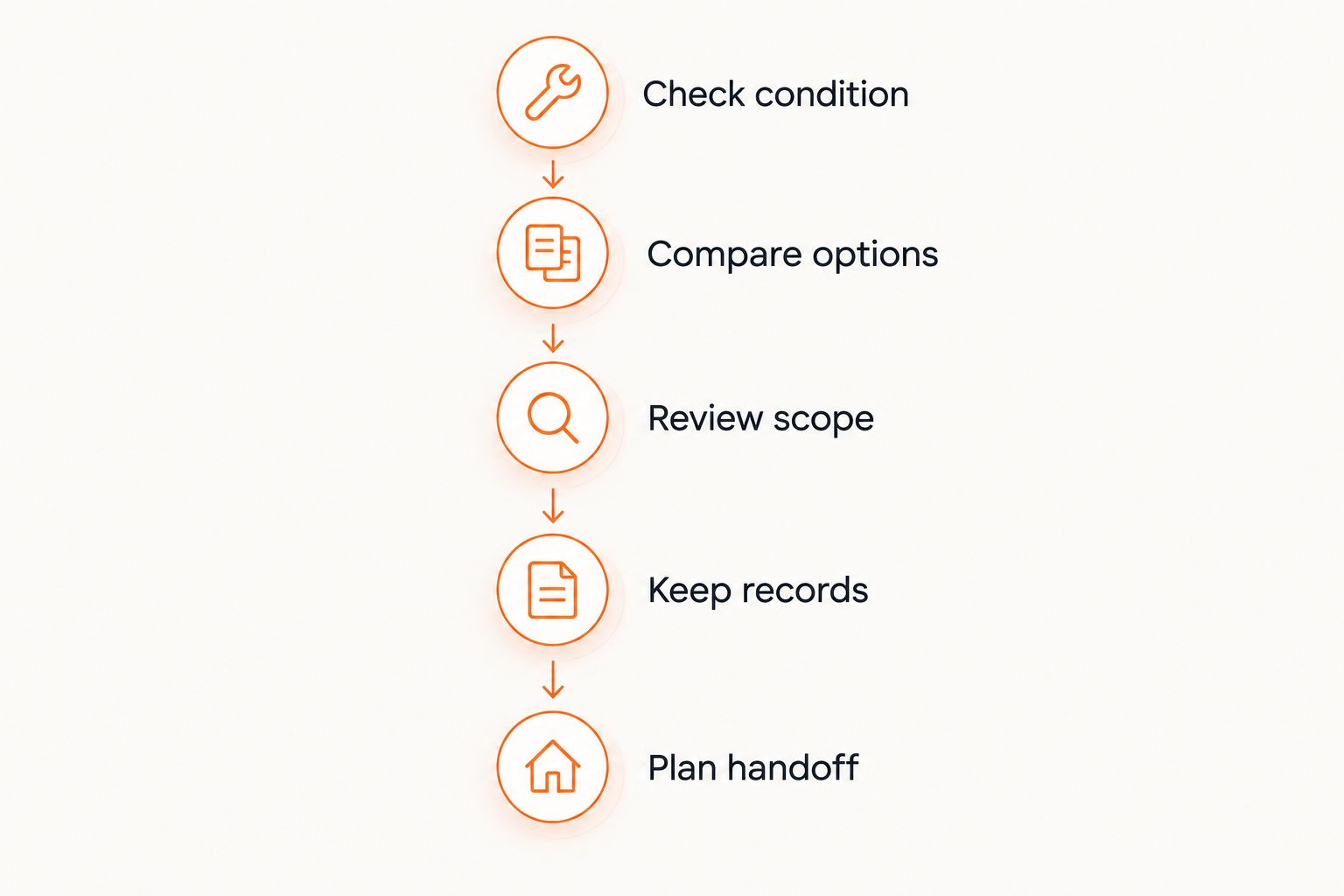
Use a sequence that gives you a mechanical answer before you make a marketing claim. For a 2026 sale, finish the assessment early enough to review the proposed work rather than approve replacement simply because a listing date is approaching.
- Check condition. Arrange an assessment and describe the actual symptoms. Request written findings that distinguish an immediate problem from optional work.
- Compare options. Ask whether maintenance, a specific repair, or replacement addresses the diagnosis. Have the contractor explain why the recommended option fits.
- Review scope. Confirm which equipment and related work are included. Identify anything the proposal leaves unchanged.
- Keep records. Save the findings, approved scope, completion documents, and operating instructions. Make sure the documents describe the same work.
- Plan handoff. Tell your agent what was completed and prepare the records for the next owner. Avoid unsupported savings or resale claims.
The order matters. If you start with an installation proposal before understanding the fault, you cannot judge whether the proposed work solves the problem you actually have.
What to ask before approving replacement
Ask for a plain-language explanation of why replacement is recommended. A useful answer identifies the equipment involved, the condition being corrected, and the limits of the proposed job.
Then ask how the contractor will select equipment for your home. A larger unit is not automatically a better fit; the recommendation needs to address the building's heating and cooling requirements.
Review the related work separately. Ductwork, electrical connections, controls, and drainage belong in the scope discussion when the installation requires them. Do not assume they are included simply because the proposal says system replacement.
Finally, ask what paperwork you will receive and what operating information the next owner will need. Approve a defined job, not a vague promise of increased home value.
West Heating & Cooling offers HVAC installation, repair, and maintenance in the Lake of the Ozarks area, including Camdenton, Osage Beach, Lake Ozark, Warsaw, and Lebanon. Use the service assessment to choose the work your home needs; use your agent's advice to decide how to present it.
Discuss your home's HVAC needs
Ask about installation, repair, or maintenance for your Lake of the Ozarks property.
Should I replace my HVAC system before selling?
Replace your HVAC system before selling when the assessment supports replacement and the work fits your sale plan. Do not replace functioning equipment solely because you expect to recover the entire investment in the selling price.
Does a new HVAC system increase appraised value?
A new HVAC system does not establish a fixed increase in appraised value. Give the appraiser accurate records of the work, and leave the valuation to the appraisal rather than treating the installation invoice as an automatic adjustment.
Is repairing HVAC better than replacing it for resale?
Repair is the better choice when it addresses the diagnosed problem and the assessment supports keeping the equipment. Replacement is the better choice when the diagnosis supports replacing it; neither choice guarantees a particular selling-price increase.
FAQ
How much does a new HVAC system add to my home's value in 2026?
A new HVAC system has no fixed dollar contribution to your home's value in 2026. Its effect on the sale depends on the property and market assessment, not just the installation invoice.
Will I get all my HVAC replacement investment back when I sell?
Full recovery is not guaranteed. Decide whether replacement addresses a documented need, then ask your real estate agent how the completed work fits the listing strategy.
Should I replace a working AC unit before putting my house on the market?
Do not replace a working AC unit solely to create a resale feature. Have its condition assessed and compare maintenance, repair, and replacement if the assessment identifies a problem.
Is a new furnace worth more to buyers than a repaired furnace?
New and repaired furnaces represent different conditions, not a universal difference in selling price. Describe the equipment and completed work accurately rather than assigning an unsupported premium.
What HVAC paperwork should I give the next homeowner?
Provide installation records, completed service reports, operating manuals, and applicable permit documents. If warranty paperwork exists, include its terms without assuming coverage transfers automatically.
Can a new HVAC system fix every hot or cold room?
A new HVAC system is not a guarantee that every room-temperature problem will disappear. Ask the contractor to diagnose the cause and state whether the proposed work addresses it.
Who can help me decide whether my Lake of the Ozarks home needs HVAC replacement?
West Heating & Cooling provides HVAC installation, repair, and maintenance in the Lake of the Ozarks area. Ask for an equipment assessment, and ask your real estate agent separately about sale preparation and market value.
One last thing
The most useful handoff is not a claim about what the system adds to the selling price. It is a clear record of what equipment is installed, what work was completed, and how the next owner should operate it.
For your 2026 listing, check the wording against the invoice. If only the AC unit was replaced, say that; do not describe the entire HVAC system as new. An accurate improvement description is more useful than an unsupported return percentage.