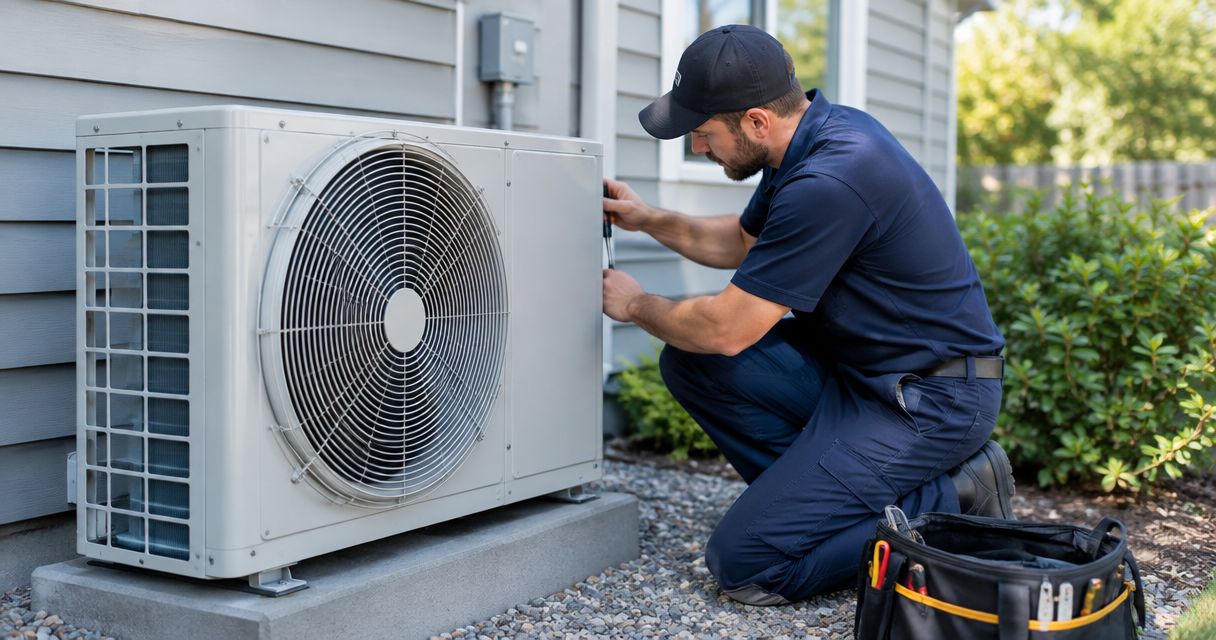
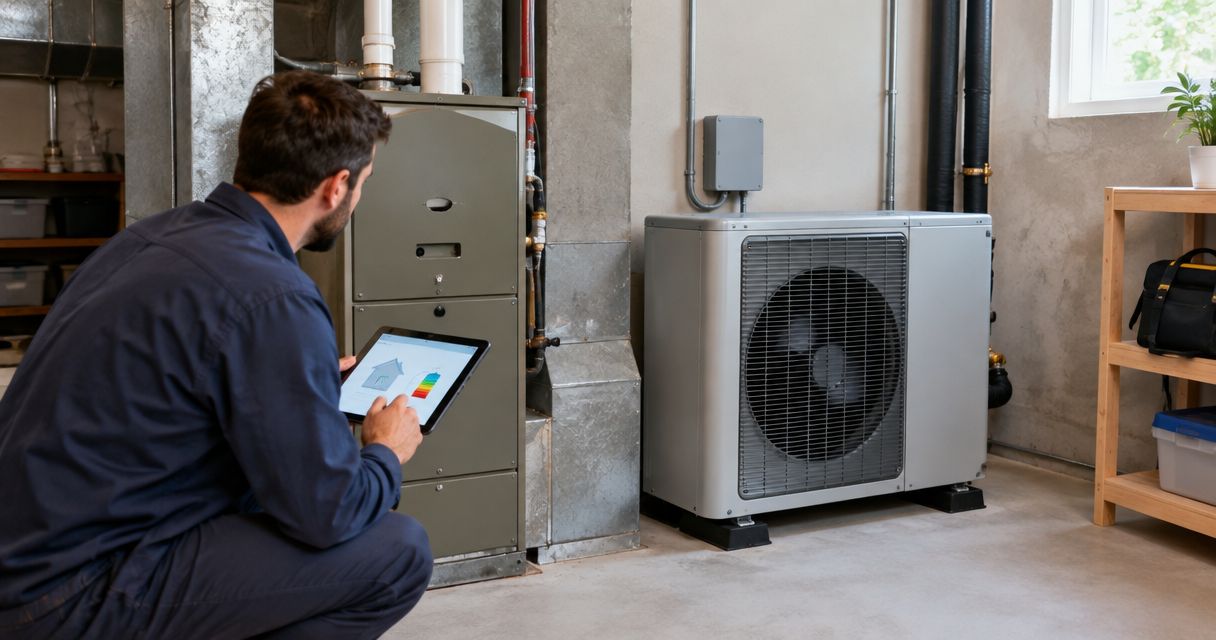
Yes, you can replace an old furnace with a heat pump, but you cannot turn the furnace itself into one. The project installs different heating equipment and checks whether your existing ductwork, electrical supply, and controls can support it. You can also keep a safe, compatible furnace as backup heat in a dual-fuel system.
- To convert furnace to heat pump heating, replace equipment rather than modify the furnace’s burners.
- A ducted heat pump can reuse suitable ductwork; the ducts still need an airflow assessment.
- Dual-fuel heating pairs a compatible furnace with a heat pump, keeping fuel-burning backup heat.
- West Heating & Cooling serves Lake of the Ozarks homeowners needing HVAC installation, repair, and maintenance.
Can an old furnace be converted to a heat pump?
Your home can switch to heat-pump heating; your furnace cannot become a heat pump. A furnace burns fuel or uses electric resistance to produce heat. A heat pump uses a refrigerant system to move heat between indoors and outdoors, so the change requires new equipment rather than a burner adjustment.
West Heating & Cooling provides HVAC installation, repair, and maintenance in the Lake of the Ozarks area. Before choosing a replacement in 2026, establish which parts of your existing system are usable and which must change.
| Replacement approach | Best for | Main advantage | Main limitation |
|---|---|---|---|
| Ducted all-electric heat pump | Homes with suitable ducts and adequate electrical capacity | Provides heating and cooling through the existing air-distribution system | Requires a heating-capacity assessment and a plan for supplemental heat where needed |
| Dual-fuel heat pump and furnace | Homes with a safe, compatible furnace worth retaining | Uses the heat pump while preserving furnace backup | Keeps fuel-burning equipment and requires coordinated controls |
| Ductless heat pump | Homes or rooms without suitable ductwork | Delivers heating and cooling without extending central ducts | Indoor-unit placement and room coverage need careful planning |
None of these approaches is automatically the right choice because the furnace is old. Choose the system around the home’s heating needs, not around the equipment you hope to keep.
Why this matters
A replacement quote that only names an outdoor heat pump leaves important questions unanswered. You need to know what supplies indoor airflow, what happens during colder weather, and whether electrical or duct changes are included.
The distinction also protects you from an incomplete proposal. Keeping ductwork is different from keeping the furnace, and keeping the furnace is different from confirming that it works safely with new equipment. A clear 2026 proposal should identify each retained component and explain its role.
Replacing the furnace with an all-electric heat pump
A ducted all-electric installation typically pairs an outdoor heat pump with a compatible indoor air handler. The air handler circulates air through your ducts, while the refrigerant system supplies heating and cooling. Where the design calls for it, electric resistance heat provides supplemental heating.
Best for: homeowners who want to stop using furnace fuel and have suitable ducts and electrical capacity. This approach removes the furnace from the heating system, but it does not remove the need to size equipment correctly.
The main advantage is a single system that handles heating and cooling without operating a fuel-burning furnace. The limitation is that electrical demand and cold-weather heating capacity need attention before installation. Supplemental electric heat adds load beyond the heat pump itself.
Ask whether the proposal includes the air handler, thermostat, electrical work, and any necessary duct changes. Do not assume the existing indoor AC coil can stay simply because it fits above the furnace. Equipment compatibility must follow the selected system’s requirements.
Keeping the furnace in a dual-fuel system
A dual-fuel installation combines an electric heat pump with a fuel-burning furnace. The heat pump handles heating under the conditions selected by the system design, and the furnace supplies backup heat when the controls call for it. The furnace blower also moves air through the central ducts.
Best for: homeowners with a safe, serviceable furnace that is compatible with the proposed heat pump. Keeping the furnace can preserve a useful backup heat source, but an old furnace must earn its place through inspection—not age alone.
The advantage is flexibility between electric heat-pump operation and furnace heating. The drawback is that you retain two heating technologies, their maintenance needs, and the controls required to coordinate them. Dual-fuel equipment does not turn a worn-out furnace into dependable backup.
Before approving a dual-fuel proposal, ask for the furnace’s condition assessment and the control strategy in writing. The thermostat must manage the equipment correctly; installation instructions determine the permitted operating sequence.
Using ductless heat pumps instead
Ductless heat pumps connect outdoor equipment to indoor units that serve selected spaces. They offer another route when central ducts are absent, difficult to modify, or unsuitable for the planned system.
Best for: homes without usable central ducts, additions, or spaces needing separate temperature control. Their advantage is avoiding new central duct runs. Their limitation is that each indoor unit has a defined area to serve, so placement matters.
A unit in a living room does not automatically provide adequate heating to bedrooms behind closed doors. Whole-home coverage requires a room-by-room plan, not just an outdoor-unit selection.
If you intend to remove the furnace entirely, have the proposal explain how every occupied room will be heated. If the ductless system only serves an addition, the existing central system still needs its own maintenance and replacement plan.
Why furnace-to-heat-pump projects vary
The scope of a furnace replacement depends on the building and the selected equipment. These factors determine whether the job mainly involves equipment replacement or also requires changes elsewhere in the home:
- Heating demand: Insulation, windows, air leakage, and building size affect the heating capacity your home needs.
- Duct condition: Leaks, restrictions, inadequate return-air paths, and unsuitable duct sizing affect airflow and comfort.
- Electrical capacity: The heat pump, air handler, and any supplemental electric heat need appropriate circuits and available capacity.
- Furnace condition: A retained furnace needs a safety and condition assessment before it becomes part of a dual-fuel system.
- Equipment compatibility: Indoor equipment, outdoor equipment, refrigerant piping, and controls must meet the selected system’s requirements.
- Installation layout: Space for indoor equipment, outdoor clearance, drainage, and service access affect the work required.
An existing furnace connection is not proof that the home is ready for an all-electric system. A fuel-burning furnace’s electrical needs differ from those of an air handler with supplemental electric heating.
What should happen before installation?
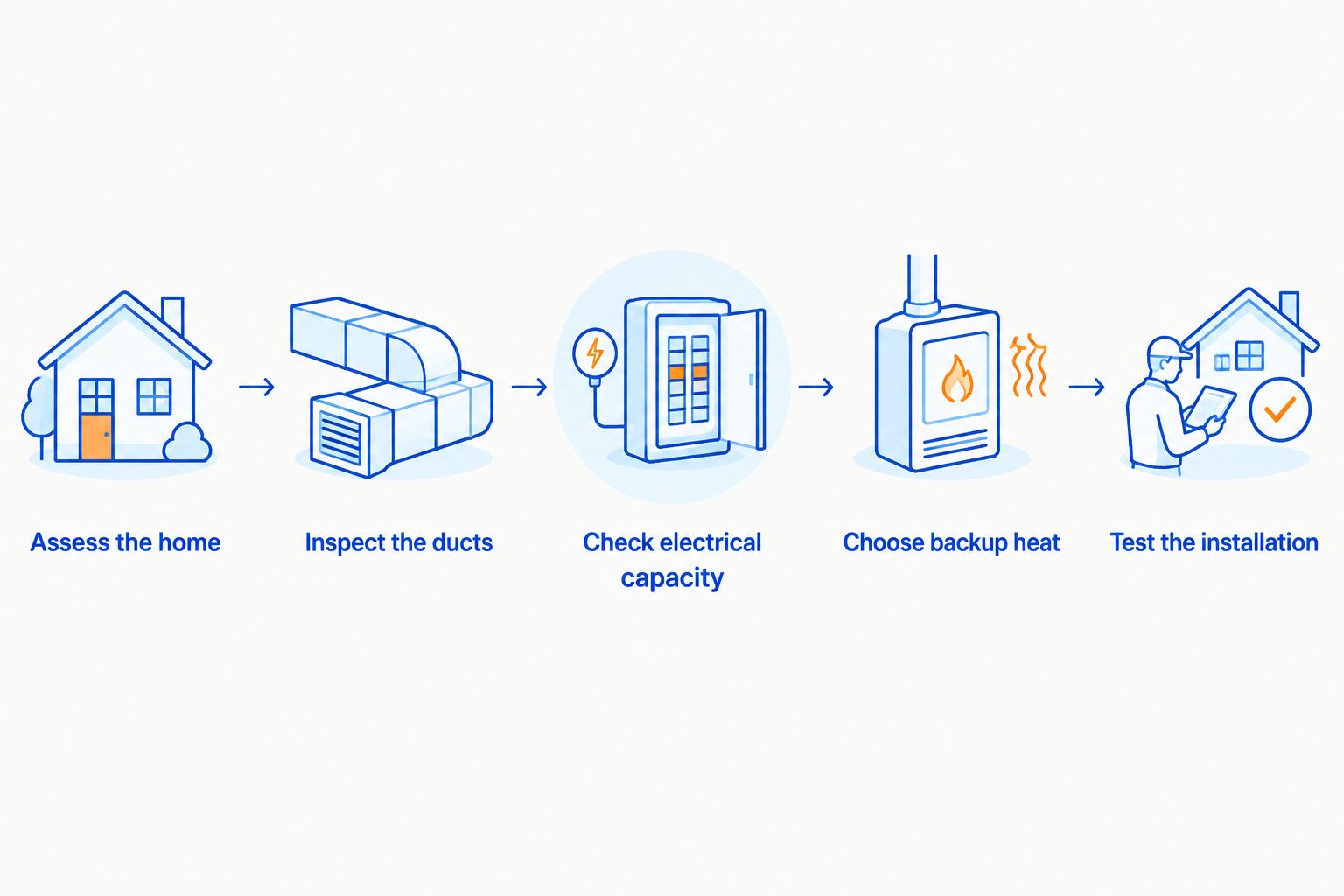
Use this sequence when reviewing a 2026 replacement plan. It separates the equipment decision from the checks needed to make that equipment work in your home.
- Assess the home. Have the contractor calculate heating and cooling loads rather than copying the old furnace’s rating. Existing equipment size is not a substitute for assessing the building.
- Inspect the ducts. Check supply ducts, return-air paths, leakage, and airflow requirements. Identify repairs before assuming the duct system can stay unchanged.
- Check electrical capacity. Establish the circuits and capacity required by the selected equipment. Include supplemental heat in that assessment when it is part of the design.
- Choose backup heat. Decide whether the system uses furnace backup, electric supplemental heat, or another documented arrangement. Match that decision to the home’s heating needs and equipment performance.
- Test the installation. Have the installer verify airflow, refrigerant-system operation, thermostat settings, and backup-heating controls. Obtain operating instructions before the job is complete.
The important output is a documented system plan. Every retained component should have a purpose, and every required change should appear in the installation scope.
Can you keep your existing ductwork?
Yes, existing furnace ducts can serve a ducted heat pump when their condition and airflow capacity suit the selected equipment. Reusing ducts does not mean accepting every existing comfort problem. Rooms that already receive poor airflow need attention during the replacement assessment.
Heat pumps generally deliver less-hot supply air than fuel-burning furnaces during normal heating operation. That makes equipment sizing, airflow, and duct performance important to the result. Judge comfort by whether the home maintains its set temperature, not by whether a vent feels as hot as it did with the furnace.
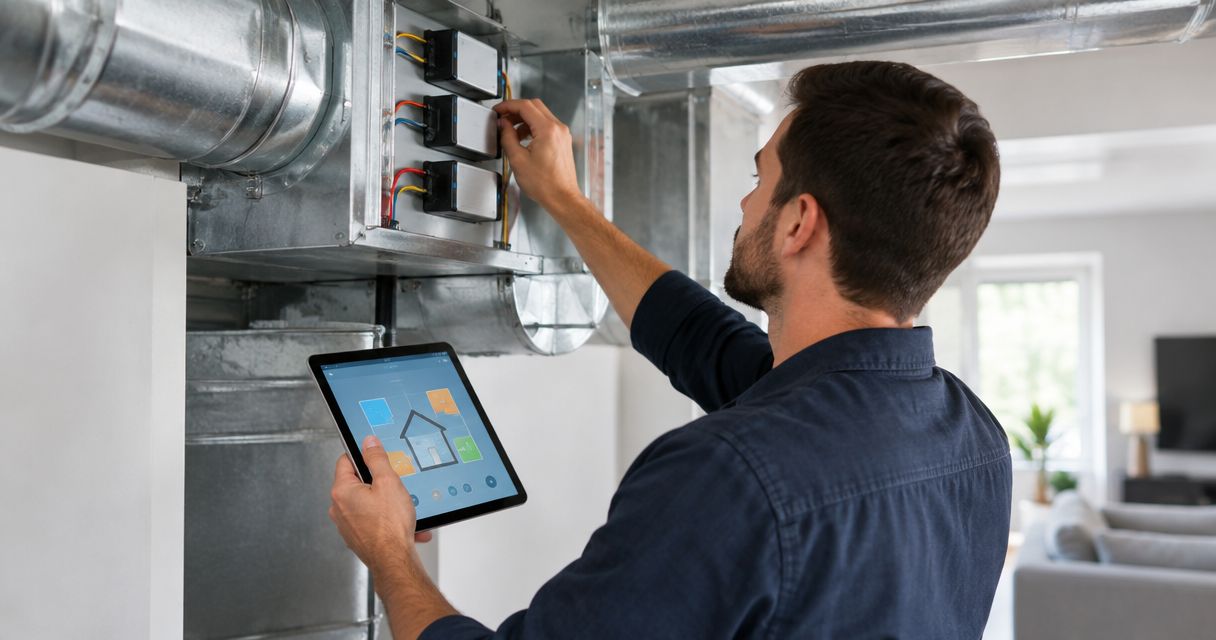
If you also want separate upstairs and downstairs settings, review connecting a zoning system to existing ductwork. Zoning needs its own design; closing vents is not a substitute for an airflow plan.
Will a heat pump work below freezing?
32°F is not a universal heat-pump shutoff temperature. Heat pumps can extract heat from outdoor air below freezing, but heating capacity and efficiency vary by equipment and outdoor conditions. The freezing point, 0°C, describes water—not a standard changeover setting for every heating system.
For a 2026 installation, request the proposed model’s heating-performance information at the outdoor conditions used in your home’s design. A general claim that equipment works in cold weather does not establish that it can meet your particular heating load.
Backup heat addresses the gap when the heat pump cannot meet demand alone. Defrost operation is another normal part of heat-pump heating in suitable weather conditions; the installer should explain what to expect and how the system maintains indoor comfort.
Should you keep an old furnace as backup?
Keep an old furnace only when its safety, condition, and compatibility justify retaining it. A dual-fuel arrangement does not correct a damaged heat exchanger, unreliable ignition, or an unsuitable blower. Those problems still need resolution.
Ask the contractor to distinguish necessary repairs from optional upgrades. If keeping the furnace requires substantial work, compare that complete scope with replacing the indoor equipment—not just with the outdoor heat pump portion of another proposal.
There is no age-only answer that fits every furnace. Safe operation and equipment compatibility come before preserving existing hardware.
What should your written proposal include?
Before signing a 2026 installation agreement, check that the proposal identifies the whole system rather than just its headline equipment.
- The outdoor heat pump and compatible indoor equipment.
- Which existing components stay and which are removed.
- Duct repairs or modifications included in the work.
- Electrical work and responsibility for completing it.
- The backup-heating arrangement and thermostat controls.
- Startup checks, operating instructions, and maintenance requirements.
Ask how the contractor will confirm that the completed system performs as designed. A complete installation includes setup and testing, not simply connecting equipment and leaving the thermostat on.
West Heating & Cooling is best for Lake of the Ozarks homeowners seeking a local HVAC contractor for installation, repair, and maintenance. The family-owned contractor serves residential and commercial customers in Camdenton, Osage Beach, Lake Ozark, Warsaw, and Lebanon. That service coverage does not replace the need for a home-specific equipment assessment.
Discuss your heating replacement
Ask West Heating & Cooling about HVAC installation for your Lake of the Ozarks property.
FAQ
Can I convert my gas furnace to a heat pump without replacing it?
No, a gas furnace cannot become a heat pump through a component adjustment. You can replace it with heat-pump equipment or retain a safe, compatible furnace in a dual-fuel system.
Can a heat pump use my furnace’s existing ducts?
Yes, a ducted heat pump can use existing furnace ducts when they meet its airflow requirements and are in suitable condition. Have the ducts and return-air paths assessed before assuming no changes are needed.
Do I need to replace my AC when I switch to a heat pump?
A heat pump provides cooling as well as heating, so it typically replaces the outdoor AC in a central-system conversion. The indoor equipment must also be compatible with the selected heat pump.
Is dual fuel better than an all-electric heat pump?
Neither is better for every home. Dual fuel retains a compatible furnace for backup heating, while an all-electric system eliminates furnace fuel use and requires suitable electrical capacity.
Does a heat pump stop working at 32°F?
32°F is not a universal heat-pump operating limit. Use the selected equipment’s performance information and your home’s heating load to establish its backup-heating needs.
Can I convert my furnace to a heat pump myself?
A furnace-to-heat-pump replacement is not a simple DIY conversion. It involves equipment selection, refrigerant work, electrical connections, airflow checks, and control setup.
Who offers local HVAC service around Lake of the Ozarks?
West Heating & Cooling offers HVAC installation, repair, maintenance, and emergency service in the Lake of the Ozarks area. Its emergency service operates 24 hours a day, seven days a week; routine replacement scheduling is a separate matter.
One last thing
Your old furnace’s heating rating is not the right starting point for choosing a heat pump. A furnace’s input rating describes fuel consumed, while delivered heating output is different. Heat-pump heating capacity also changes with outdoor conditions.
Ask for the home’s calculated heating load and the proposed equipment’s output at the design conditions. That comparison answers the useful question: whether the new system can heat your home—not whether its label resembles the old furnace’s label.